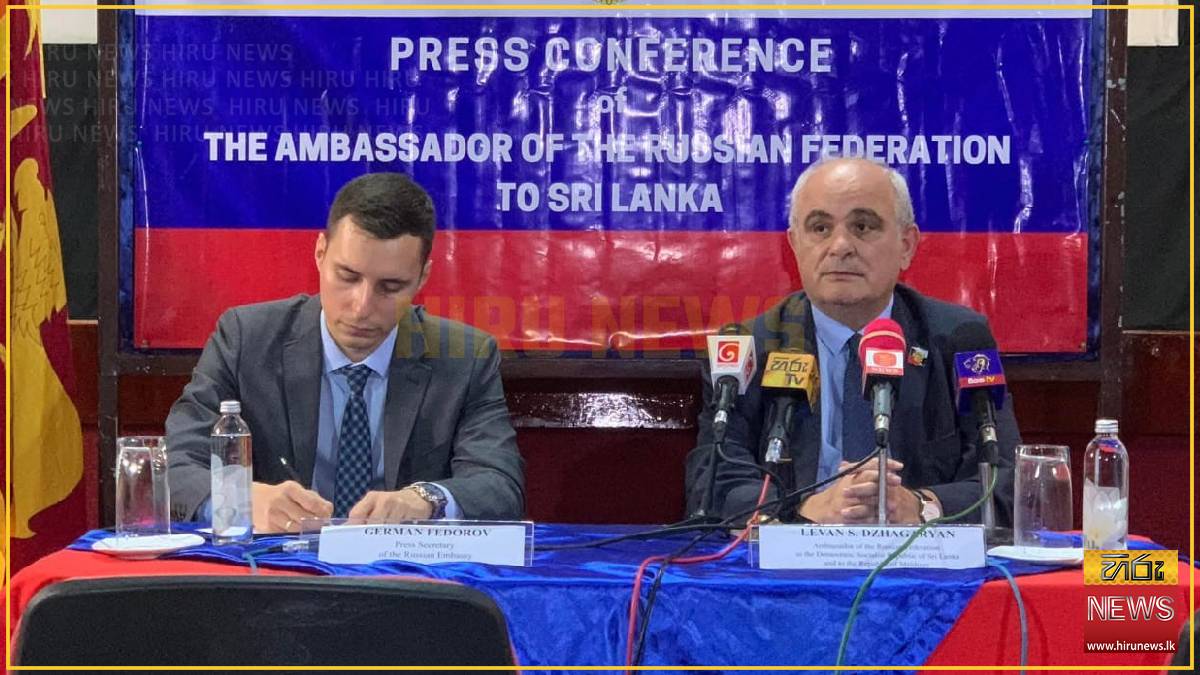
The proposed Russia-assisted nuclear power project in Sri Lanka continues to face uncertainty, a sentiment reinforced by the recent comments from Russia's Ambassador to Sri Lanka, Levan Dzhagaryan.
Sri Lanka has agreed in principle to consider Russia's state atomic energy corporation, Rosatom, for a nuclear power plant, with proposals including small modular reactors for either onshore or offshore construction.
Speaking to the media, Ambassador Dzhagaryan, when questioned about the progress of the project, offered a response that suggested continued delays on the Sri Lankan side, a concern Russia has raised on previous occasions.
He stated, “We have some ideas, some proposals, and frankly speaking, I asked for a meeting with the representatives of the Atomic Board. We have something to discuss, but I don't want to go into details.” He was quick to emphasise that the final decision rests with Sri Lanka, adding, “But once again, any decision is your sovereign one. We don't want to impose anything from our side. It's your decision, it's your legitimate right to decide whether to accept it or not.” He also acknowledged Sri Lanka’s "traditional neutral policy", asserting that Russia does not interfere in the domestic affairs of sovereign countries.
Ambassador outlines terms for Ukraine Conflict end
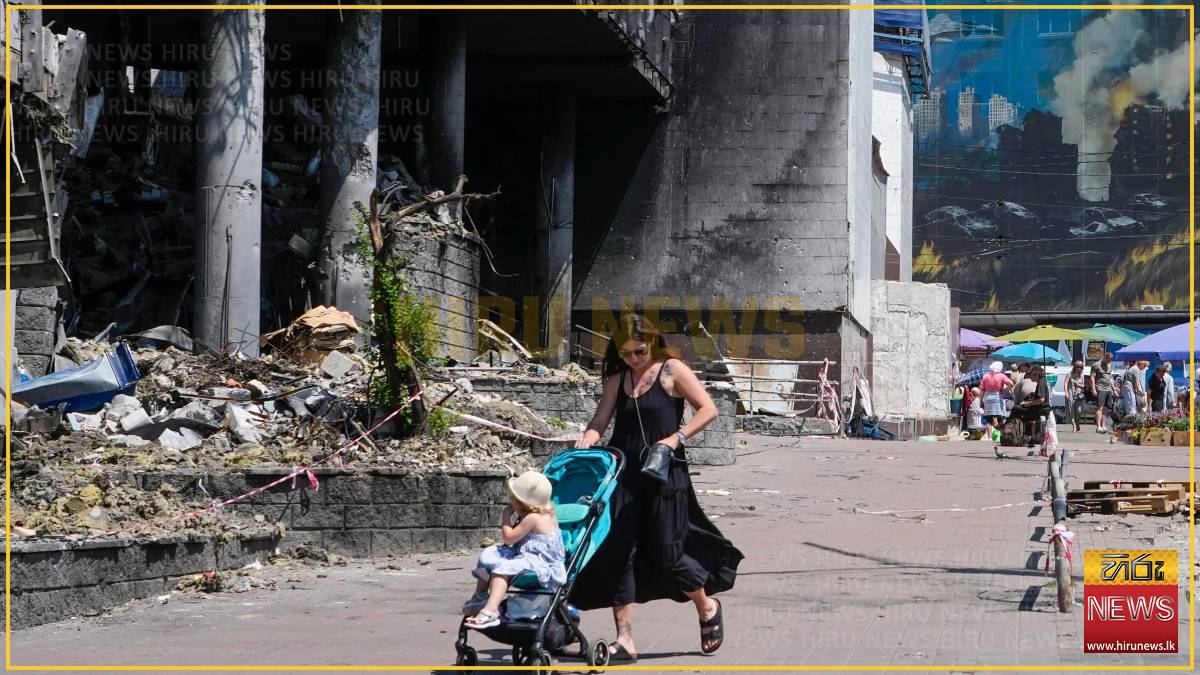
Turning to the conflict with Ukraine, the Ambassador gave his thoughts on the path to an end, reiterating Moscow's readiness for negotiations, but not a ceasefire.
He said Russia's demands include: “Ukraine will never join NATO, never, whether Western countries want it or they don't want it. They must have a neutral status. We don't want to see the military infrastructure of NATO close to our borders. The Russian language, the Russian people, Russian Orthodox Church they shouldn't be deprived of the possibility to have their legitimate rights in Ukraine.”
He further asserted that the newly annexed regions are now Russian territory, stating, “The new four regions, of the Russian Federation, Donetsk, Lugansk, Zaporizhzhia and Kherson are part of the Russian Federation, including Crimea as well, according to the Constitution of the Russian Federation.”
The Ambassador appreciated the policy of the current American administration led by President Donald Trump, noting, "unlike previous administrations, they are ready to listen to us, to understand our concerns and the reasons which forced us to start a special military operation in Ukraine.” However, he accused certain European nations of attempting to scuttle the peace process, naming them as the "main spoilers."
“Some of the European countries are the main spoilers. They want to derail this peace process and want to push the American administration to join them. The main spoilers are the United Kingdom, France, Germany and Poland, including the Baltic states. They want to inflict a strategic defeat on the Russian Federation. It's impossible,” the Ambassador claimed, also pointing to the "negative role of Ursula von der Leyen" and Brussels.
He was firm that Russia would not agree to a ceasefire. “We are ready for peaceful talks, not a ceasefire, because we were just ready to discuss the issue, the Minsk agreement in 2014, the Istanbul agreements in 2022, and we were deceived many times by our so-called Western partners. So we need strong, reliable guarantees,” he concluded.
Finally, he questioned the impartiality of international bodies like the United Nations, saying, “They push forward the Western agenda. They always try to protect Ukrainians, because, look, the main composition of the United Nations Secretariat, representatives of Western countries.” He called on high-ranking officials in international organisations to pursue a "balanced policy".