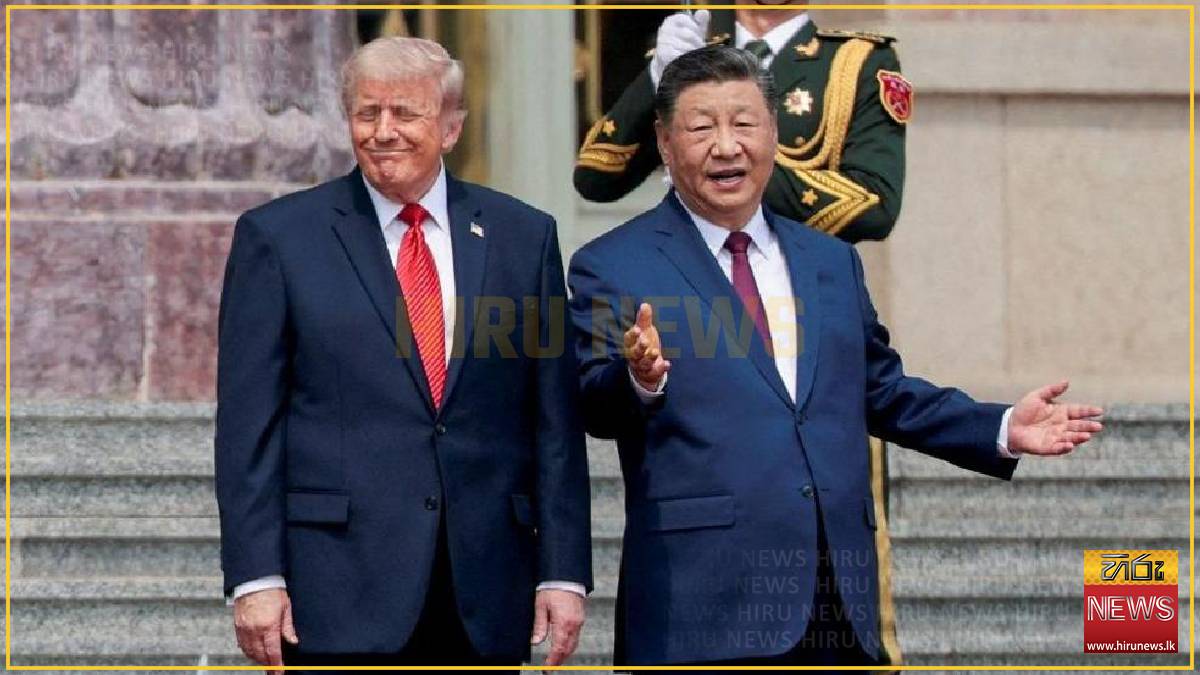
Donald Trump expressed deep admiration for Chinese military strength during a grand welcome ceremony at the Great Hall of the People in Beijing today. Accompanied by Xi Jinping, the American president witnessed a 21-gun salute and military parade, remarking that the display "couldn't be better" as formal bilateral talks commenced. The visit follows a complex history of trade tensions, including a 2026 US Supreme Court ruling that struck down previous "Liberation Day" tariffs.
Analysts suggest this summit focuses on stabilising ties rather than achieving major breakthroughs, with both nations likely to extend an existing truce on tariff escalations. While deep differences persist over semiconductors and industrial policy, discussions may lead to a proposed joint "Board of Investment" to manage future economic opportunities. On Chinese social media, millions watched the livestreamed proceedings, noting Beijing’s decision to allow Secretary of State Marco Rubio into the country despite standing sanctions.
The relationship evolved through a volatile timeline, beginning in 2018 when Trump announced tariffs on Chinese imports to boost domestic manufacturing, maintaining a 20% rate through the presidency of Joe Biden. Following his re-election in April 2025, Trump rolled out "Liberation Day" tariffs, threatening duties near 50% and sparking a trade war where rates soared past 100%. Tensions cooled briefly in May 2025 as tariffs on Chinese imports fell to 30%, and by October 2025, Trump and Xi met to negotiate a suspension of rare earth export controls in exchange for US agricultural purchases. Recently, after the US Supreme Court struck down the Liberation Day measures in 2026, the White House announced interim global tariff measures that brought the overall rate on Chinese goods to approximately 10%.
-BBC
Analysts suggest this summit focuses on stabilising ties rather than achieving major breakthroughs, with both nations likely to extend an existing truce on tariff escalations. While deep differences persist over semiconductors and industrial policy, discussions may lead to a proposed joint "Board of Investment" to manage future economic opportunities. On Chinese social media, millions watched the livestreamed proceedings, noting Beijing’s decision to allow Secretary of State Marco Rubio into the country despite standing sanctions.
The relationship evolved through a volatile timeline, beginning in 2018 when Trump announced tariffs on Chinese imports to boost domestic manufacturing, maintaining a 20% rate through the presidency of Joe Biden. Following his re-election in April 2025, Trump rolled out "Liberation Day" tariffs, threatening duties near 50% and sparking a trade war where rates soared past 100%. Tensions cooled briefly in May 2025 as tariffs on Chinese imports fell to 30%, and by October 2025, Trump and Xi met to negotiate a suspension of rare earth export controls in exchange for US agricultural purchases. Recently, after the US Supreme Court struck down the Liberation Day measures in 2026, the White House announced interim global tariff measures that brought the overall rate on Chinese goods to approximately 10%.
-BBC