Want to bet on a bushfire?
When does it start? Where does it start? How much damage does it do?
Get it right, and – profit!
What could possibly go wrong?
Amateur prophets are turning a profit.
And international regulators are worried about insider trading.
That’s when people “in the know” place a bet on an outcome they already know.
It’s an illegal practice in share trading. Politicians, executives and employees must not use their privileges to profit from the general public’s ignorance.
But can pyromaniacs profit from betting on the fires they start?
Short answer: Yes.
If they’re not caught.
It’s just one fearsome exploit by the exploding global prediction-gambling industry.
The house always wins.
Players always lose, eventually.
And non-players carry the cost.
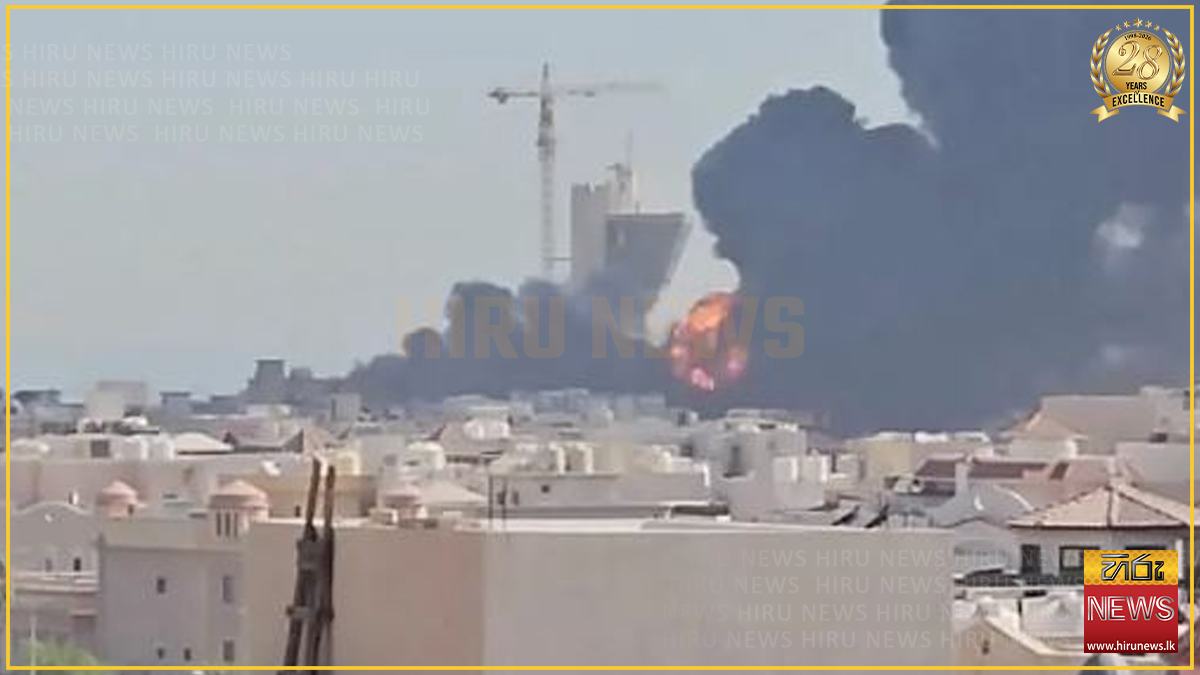
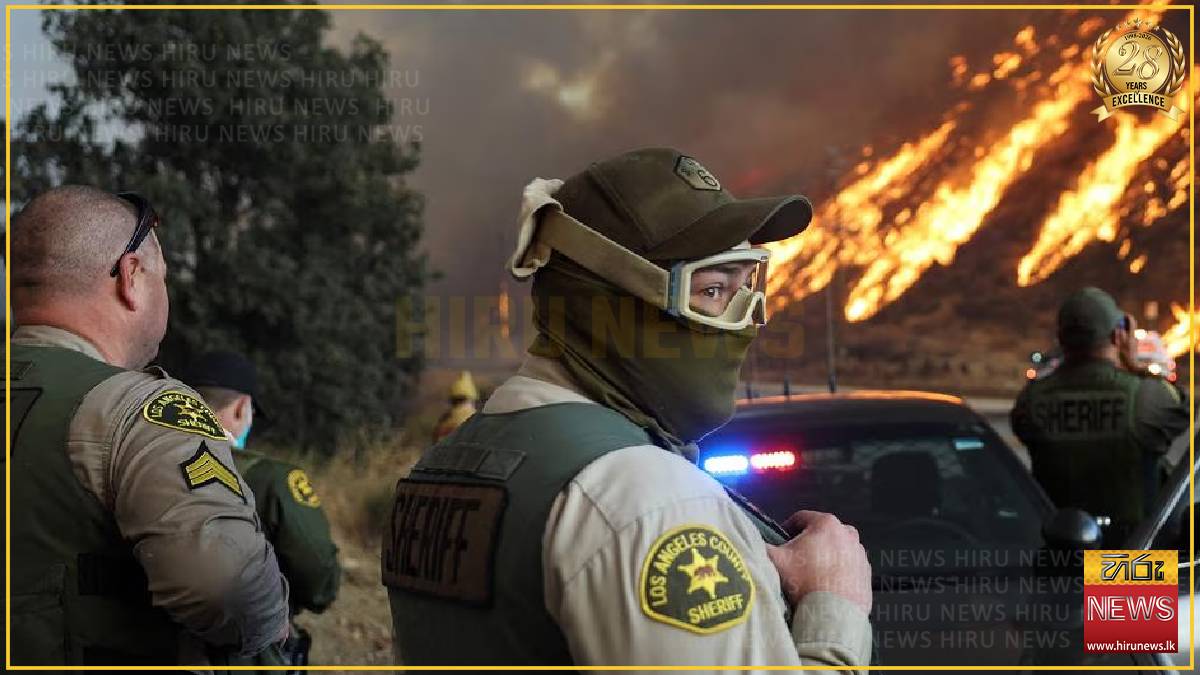
A wildfire swept through the Los Angeles neighbourhood of Altadena in January last year. Some 6100 homes and 3200 commercial properties were destroyed, along with 19 lives lost.
Amid it all, people were placing bets on predictive gambling apps.
This has raised regulatory eyebrows.
The wildly popular new predictive gambling trade scours the global news and social media trends for new opportunities to profit.
And users can suggest their own subjects.
It sees concerns of an impending fire season: Place your bets.
It sees US President Donald Trump about to make a surprise address, place your bets.
It sees speculation of a 'UFO disclosure,' place your bets.
In the case of the Altadena fire, people were prompted to bet on how many hectares would be consumed, where the fire would spread, and on what day it would be contained.
And some of those people could influence the outcome.
Burning desire
Dozens of new predictive gambling businesses are starting up worldwide each week.
World leaders in the burgeoning industry include Polymarket and Kalshi.
One start-up, called 'WyldFyre', focuses exclusively on California’s potentially devastating fire season.
“You can’t predict fire. But you can trade on it,” it declares.
But can you predict fire – if you’re holding the match?
Or if you’re holding a hose?
Or if you have the keys to the back gate?
WyldFyre purports to track “in real time” the risk for every Californian county, town and city.
It uses satellite data, emergency services feeds and “crowd wisdom” (read: social media chatter and punter suggestions).
Apparently, it’s not about profit.
It’s about exploiting “collective intelligence into better wildfire forecasting — one trade at a time”.
It’s not trading in real currency. Yet.
For the time being, bets are only “simulated”.
“Paper trading now, real money coming soon,” the WyldFyre site initially proclaimed.
That’s since been updated to “Paper trading now. How confident are you?”
Both pitches highlight a problem.
“Anybody can set a wildfire,” retired Los Angeles County Sheriff’s arson investigator and profiler Ed Nordskog told US media.
“This has some disturbing possibilities.”
“Systems that tie financial gain to wildfire outcomes risk encouraging misuse, including arson, and are not compatible with our mission,” a US Forest Service spokesperson told High County News, the Californian local media service that first noticed WyldFyre’s launch.
Being news is the point, insists Polymarket.
It defends event prediction betting as an alternative source of news.
Someone has to pay for it, after all.
“People turn to the news for commentary, and they come to Polymarket for information,” a Polymarket spokesperson told US media.
“While we are not blind to the risks, removing these markets does not prevent a tragedy but makes the most accurate information less accessible to the people who need it most.”
Puppeteer prophets profit
Will Israel bomb an Iranian desalination plant? Place your bets!
Will US Special Forces seize President Nicholas Maduro? Place your bets!
Will your international flight be late? Place your bets!
The transition from morbid fun to profitability is short.
And intangible crypto coins make it all possible.
Polymarket does not like being categorised as part of the gambling industry.
It doesn’t like bets being called … “bets”.
Its spin is that it is a “futures market”. And players “trade on future event outcomes”.
They’ve found a convenient loophole.
“The bets themselves are not gambling in a traditional sense, where the house sets the odds,” says University of New South Wales legal analysts Karoline Thomsen and Professor Douglas Guilfoyle.
“Instead, it’s a contract where the price fluctuates much like shares traded on a stock exchange.”
It can be rewarding.
One pundit won $A6400 for predicting the time President Trump launched his surprise attack with Israel on Iran.
That same day, bets worth $A726 million were placed on the fate of the Strait of Hormuz, whether US troops would invade Iran and which sites inside Iran would be hit.
Those events unfolded in the following hours, days and weeks.
“What if an official in power was influenced by the bets they or their constituents had placed when deciding precisely when to bomb another country?” the UNSW academics ask.
“What if it was revealed after a military strike that a decision-maker personally profited from the choice to press the button on a specific date, or to use a specific weapon for the strike?”
Something like it is already happening.
This week, the Trump Administration staffer responsible for feeding speeches into his teleprompter was suspended for betting on the contents of those speeches before they were publicly released.
President Trump holds the cards.
Last year, he overturned a 2022 ruling that found the industry non-compliant with gambling regulations and standards.
“Donald Trump Jr is a major investor in Polymarket, a strategic adviser to Kalshi, and the director of an upcoming expansion to the Truth Social universe: Truth Predict (another prediction market),” Thomsen and Professor Guilfoyle note.
The world as your casino
Some predictive betting fans have no problem with influencing the outcome.
The recent extreme heatwave that swept France is a case in point.
Pundits were asked to bet on the temperature recorded at Paris’ Charles de Gaulle Airport.
The French weather bureau, Météo-France, has alerted police to the “alteration of the operation of an automated data processing system”.
Polymarket insists it’s not a problem.
“We comprehensively surveil for illegal activity,” it states, adding that its apps and websites “efficiently identify and trace potential wrongdoers”.
But the power of prophecy goes far beyond gambling.
“While Polymarket hasn’t revealed whether it sells the data it collects, in other financial contexts, data is a valuable commodity,” the UNSW legal analysts state.
It is regularly sold to policymakers, advertisers and researchers.
Artificial intelligence investors consider prophecy to be their holy grail.
Controversial tech bro Peter Thiel believes the arrival of the anti-Christ is imminent.
And he’s hoping his ultra-secretive data analytics firm Palantir (named after the all-seeing, all-corrupting seeing stones of The Lord of the Rings) will save him.
And predictive markets offer a rich source of data for training AI algorithms.
But odds can be rigged.
And manipulated predictive data could be used to distort the news, and AI lessons.
Predictive casinos issue more bets on extreme events. This skews the data source.
“This, combined with the anonymous design, makes it a potentially dangerous tool of information warfare: very little prevents hostile actors from placing bets and polluting the public discourse,” the UNSW legal analysts write.
“This can change the public discourse and additionally impact the values of the bets, with financial implications for the other gamblers.”
It could also make desired outcomes profitable. To those who have the power to intervene.
Like the world’s social media moguls, predictive gambling firms say their customers are not their responsibility.
Australia’s attempts to hold this unregulated gambling industry at bay are largely limited to internet “geoblocking”.
A simple VPN can, however, bypass this measure. And cryptocurrency payouts bypass money-laundering alarms.
-News.com.au
When does it start? Where does it start? How much damage does it do?
Get it right, and – profit!
What could possibly go wrong?
Amateur prophets are turning a profit.
And international regulators are worried about insider trading.
That’s when people “in the know” place a bet on an outcome they already know.
It’s an illegal practice in share trading. Politicians, executives and employees must not use their privileges to profit from the general public’s ignorance.
But can pyromaniacs profit from betting on the fires they start?
Short answer: Yes.
If they’re not caught.
It’s just one fearsome exploit by the exploding global prediction-gambling industry.
The house always wins.
Players always lose, eventually.
And non-players carry the cost.
A wildfire swept through the Los Angeles neighbourhood of Altadena in January last year. Some 6100 homes and 3200 commercial properties were destroyed, along with 19 lives lost.
Amid it all, people were placing bets on predictive gambling apps.
This has raised regulatory eyebrows.
The wildly popular new predictive gambling trade scours the global news and social media trends for new opportunities to profit.
And users can suggest their own subjects.
It sees concerns of an impending fire season: Place your bets.
It sees US President Donald Trump about to make a surprise address, place your bets.
It sees speculation of a 'UFO disclosure,' place your bets.
In the case of the Altadena fire, people were prompted to bet on how many hectares would be consumed, where the fire would spread, and on what day it would be contained.
And some of those people could influence the outcome.
Burning desire
Dozens of new predictive gambling businesses are starting up worldwide each week.
World leaders in the burgeoning industry include Polymarket and Kalshi.
One start-up, called 'WyldFyre', focuses exclusively on California’s potentially devastating fire season.
“You can’t predict fire. But you can trade on it,” it declares.
But can you predict fire – if you’re holding the match?
Or if you’re holding a hose?
Or if you have the keys to the back gate?
WyldFyre purports to track “in real time” the risk for every Californian county, town and city.
It uses satellite data, emergency services feeds and “crowd wisdom” (read: social media chatter and punter suggestions).
Apparently, it’s not about profit.
It’s about exploiting “collective intelligence into better wildfire forecasting — one trade at a time”.
It’s not trading in real currency. Yet.
For the time being, bets are only “simulated”.
“Paper trading now, real money coming soon,” the WyldFyre site initially proclaimed.
That’s since been updated to “Paper trading now. How confident are you?”
Both pitches highlight a problem.
“Anybody can set a wildfire,” retired Los Angeles County Sheriff’s arson investigator and profiler Ed Nordskog told US media.
“This has some disturbing possibilities.”
“Systems that tie financial gain to wildfire outcomes risk encouraging misuse, including arson, and are not compatible with our mission,” a US Forest Service spokesperson told High County News, the Californian local media service that first noticed WyldFyre’s launch.
Being news is the point, insists Polymarket.
It defends event prediction betting as an alternative source of news.
Someone has to pay for it, after all.
“People turn to the news for commentary, and they come to Polymarket for information,” a Polymarket spokesperson told US media.
“While we are not blind to the risks, removing these markets does not prevent a tragedy but makes the most accurate information less accessible to the people who need it most.”
Puppeteer prophets profit
Will Israel bomb an Iranian desalination plant? Place your bets!
Will US Special Forces seize President Nicholas Maduro? Place your bets!
Will your international flight be late? Place your bets!
The transition from morbid fun to profitability is short.
And intangible crypto coins make it all possible.
Polymarket does not like being categorised as part of the gambling industry.
It doesn’t like bets being called … “bets”.
Its spin is that it is a “futures market”. And players “trade on future event outcomes”.
They’ve found a convenient loophole.
“The bets themselves are not gambling in a traditional sense, where the house sets the odds,” says University of New South Wales legal analysts Karoline Thomsen and Professor Douglas Guilfoyle.
“Instead, it’s a contract where the price fluctuates much like shares traded on a stock exchange.”
It can be rewarding.
One pundit won $A6400 for predicting the time President Trump launched his surprise attack with Israel on Iran.
That same day, bets worth $A726 million were placed on the fate of the Strait of Hormuz, whether US troops would invade Iran and which sites inside Iran would be hit.
Those events unfolded in the following hours, days and weeks.
“What if an official in power was influenced by the bets they or their constituents had placed when deciding precisely when to bomb another country?” the UNSW academics ask.
“What if it was revealed after a military strike that a decision-maker personally profited from the choice to press the button on a specific date, or to use a specific weapon for the strike?”
Something like it is already happening.
This week, the Trump Administration staffer responsible for feeding speeches into his teleprompter was suspended for betting on the contents of those speeches before they were publicly released.
President Trump holds the cards.
Last year, he overturned a 2022 ruling that found the industry non-compliant with gambling regulations and standards.
“Donald Trump Jr is a major investor in Polymarket, a strategic adviser to Kalshi, and the director of an upcoming expansion to the Truth Social universe: Truth Predict (another prediction market),” Thomsen and Professor Guilfoyle note.
The world as your casino
Some predictive betting fans have no problem with influencing the outcome.
The recent extreme heatwave that swept France is a case in point.
Pundits were asked to bet on the temperature recorded at Paris’ Charles de Gaulle Airport.
The French weather bureau, Météo-France, has alerted police to the “alteration of the operation of an automated data processing system”.
Polymarket insists it’s not a problem.
“We comprehensively surveil for illegal activity,” it states, adding that its apps and websites “efficiently identify and trace potential wrongdoers”.
But the power of prophecy goes far beyond gambling.
“While Polymarket hasn’t revealed whether it sells the data it collects, in other financial contexts, data is a valuable commodity,” the UNSW legal analysts state.
It is regularly sold to policymakers, advertisers and researchers.
Artificial intelligence investors consider prophecy to be their holy grail.
Controversial tech bro Peter Thiel believes the arrival of the anti-Christ is imminent.
And he’s hoping his ultra-secretive data analytics firm Palantir (named after the all-seeing, all-corrupting seeing stones of The Lord of the Rings) will save him.
And predictive markets offer a rich source of data for training AI algorithms.
But odds can be rigged.
And manipulated predictive data could be used to distort the news, and AI lessons.
Predictive casinos issue more bets on extreme events. This skews the data source.
“This, combined with the anonymous design, makes it a potentially dangerous tool of information warfare: very little prevents hostile actors from placing bets and polluting the public discourse,” the UNSW legal analysts write.
“This can change the public discourse and additionally impact the values of the bets, with financial implications for the other gamblers.”
It could also make desired outcomes profitable. To those who have the power to intervene.
Like the world’s social media moguls, predictive gambling firms say their customers are not their responsibility.
Australia’s attempts to hold this unregulated gambling industry at bay are largely limited to internet “geoblocking”.
A simple VPN can, however, bypass this measure. And cryptocurrency payouts bypass money-laundering alarms.
-News.com.au