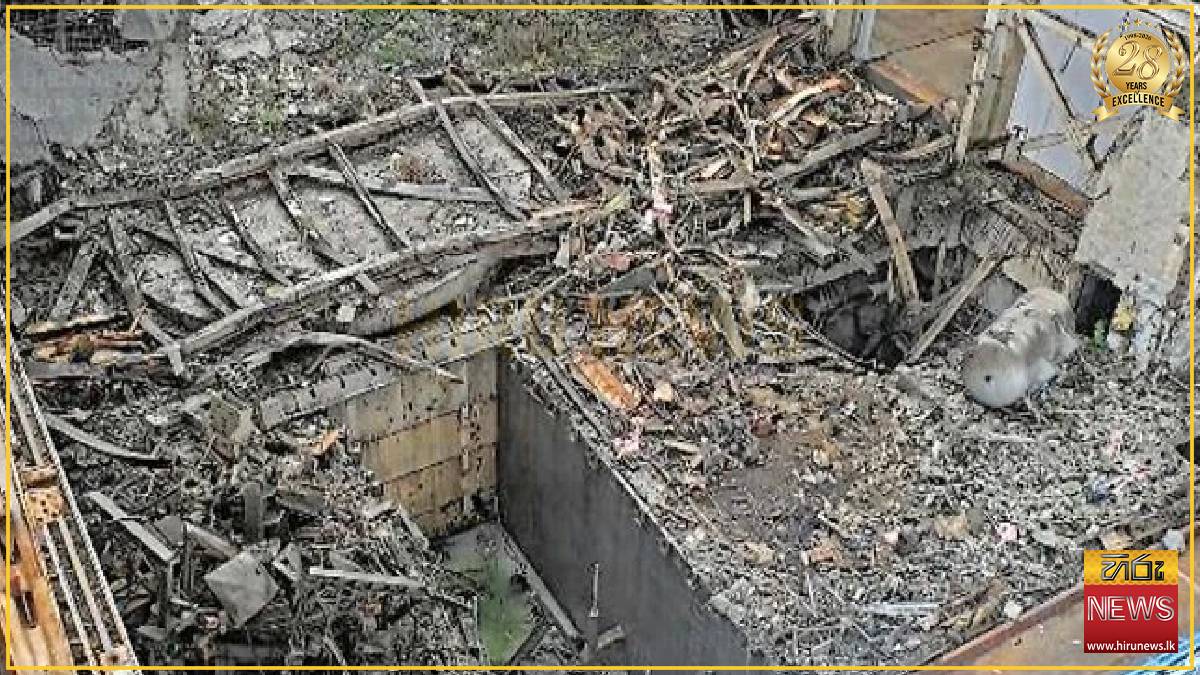
Fifteen years after the nation’s worst nuclear accident, the upper floors of the No. 1 reactor at the Fukushima No. 1 nuclear power plant remain littered with wreckage from a hydrogen explosion.
Just clearing all the radioactive waste, a significant step toward decommissioning, remains a mountain to climb at the crippled plant, which suffered triple meltdowns.
The huge amount of debris must be cleared before the plant operator, Tokyo Electric Power Co., proceeds with the removal of spent nuclear fuel assemblies stored in the water-filled cooling pool located on the upper portions of the No. 1 reactor building.
But the long-overdue clearance would require TEPCO to construct new interim storage facilities in a race against time to keep up with the increasing waste volume in what is likened to a “cat and mouse game.”
Experts on nuclear decommissioning say TEPCO and other stakeholders should tackle reducing the radioactive waste as an urgent priority in tandem with the greatest challenge of removing the melted nuclear fuel.
The No. 1 reactor building holds 392 spent fuel assemblies in the cooling pool, apart from the melted nuclear fuel.
A new crane installed on the upper floor is expected to load debris from the hydrogen explosion into containers for the transfer to an on-site solid waste storage facility. The clearing work began on June 22.
The hydrogen explosion at the No. 1 reactor building occurred on March 12, 2011, the day after the magnitude-9.0 Great East Japan Earthquake and tsunami struck Japan’s eastern Tohoku region, resulting in the loss of power at the facility to cool the reactors.
The blast blew off the structure’s upper floors, scattering numerous pieces of the roof and the overhead crane.
Today, the No. 1 reactor building is shielded with a giant retractable cover, which measures 56 meters by 66 meters. The cover, together with a new crane, weighs about 7,900 tons, the equivalent of two Tokyo Towers.
The cover was installed in January to prevent radioactive dust from escaping into the air and rainwater from seeping inside during the spent nuclear fuel recovery, which is scheduled to begin between fiscal 2027 and 2028.
TEPCO has been conducting checks of the upper floors for potential large cracks. It has been moving some debris through a remote-controlled demolition system.
Containers holding the waste from the clearance work will be stored temporarily in a solid waste storage facility at the plant.
Known as the No. 10 storage facility, it consists of A, B and C buildings. Buildings A and B have been in use since 2024. The newest one, building C, is 50 meters by 180 meters and 20 meters in height.
Inside building C, containers are neatly stacked. Receptacles with readings of high levels of radiation are sited in the center of the building and surrounded by ones with lower readings, which serve as shields to lower air dose rates in the surrounding area.
In contrast, the grounds outdoors appeared jumbled. Trees chopped down to create space for tanks and working space for operators were left lying on some parts of the grounds while waste containers were piled up in the open.
In addition, TEPCO still relies on makeshift storage in areas along the coast that stores waste on an impermeable liner spread underground and covered with soil.
The company intends to house all the radioactive waste in the indoor facilities by fiscal 2028 to safeguard the containers from fire risks and corrosion.
Before the nuclear disaster, the nuclear plant had eight waste storage facilities. The No. 9 and No. 10 facilities were added after the 2011 accident. Construction of the No. 11 facility is underway for the planned opening for May 2028.
If everything goes as planned, the nuclear plant’s capacity for waste storage would rise to 216,000 cubic meters by the end of fiscal 2028, sufficient for an estimated 207,000 cubic meters of waste to be produced by the time.
It is clear, however, that TEPCO may need additional storage space. The company is considering constructing a No. 12 facility, given that the plant’s storage capacity is projected to be full by fiscal 2035.
The entire situation is even more concerning as little progress has been made in the discussion of the final disposal of the vast amount of radioactive waste.
Moreover, waste produced from the treatment of contaminated water, such as slurry and sorbents, is not included in the materials bound for these storage facilities.
TEPCO will transport parts of such waste into the No. 1 large-scale waste storage facility during the current fiscal year. The storage area, which measures 23 meters by 186 meters and 17 meters in height, underwent seismic retrofitting recently and is ready for use.
The big question is the total amount of radioactive waste that will be generated.
The utility estimates that there will be around 800,000 cubic meters of waste by the end of fiscal 2036. But it has not provided a figure for the overall amount during the decommissioning process.
An Atomic Energy Society of Japan committee advising on the decommissioning of the Fukushima No. 1 nuclear plant estimates there will be about 5.6 million cubic meters of radioactive waste--equivalent to 4.5 Tokyo Domes--unless reduction measures are taken.
TEPCO plans to sort waste by radiation level for interim storage. Of the projected 800,000 cubic meters of waste, 70 percent is eligible to be held in solid waste storage facilities.
While the company aims to halve the volume of this waste, it is set to recycle the remaining 30 percent.
Scrap metal or concrete waste with a dose of 0.005 millisievert per hour or more will be cut or partially crushed to reduce the size. For waste with a dose of less than 0.005 millisievert per hour, TEPCO will consider having it melted for recycling.
But the facility for melting metal will likely be completed between fiscal 2032 and 2034, three years behind schedule, due to a design review.
The amount of melted nuclear fuel, or fuel debris, is estimated at 880 tons at the No. 1 through No. 3 reactors where the meltdowns occurred.
TEPCO plans to eventually retrieve all the fuel debris, but it has yet to determine the final disposal method.
Satoshi Yanagihara, a guest professor for nuclear decommissioning at the University of Fukui, called on TEPCO to more aggressively reduce the waste volume.
“Since utilities’ primary focus is on operating power plants, they tend to invest less in the management of nuclear waste in terms of money and human resources,” he said. “Recovering melted fuel is certainly a daunting challenge, but TEPCO should also grapple with how to lessen the waste volume simultaneously.”
-The Asahi Shimbun
Just clearing all the radioactive waste, a significant step toward decommissioning, remains a mountain to climb at the crippled plant, which suffered triple meltdowns.
The huge amount of debris must be cleared before the plant operator, Tokyo Electric Power Co., proceeds with the removal of spent nuclear fuel assemblies stored in the water-filled cooling pool located on the upper portions of the No. 1 reactor building.
But the long-overdue clearance would require TEPCO to construct new interim storage facilities in a race against time to keep up with the increasing waste volume in what is likened to a “cat and mouse game.”
Experts on nuclear decommissioning say TEPCO and other stakeholders should tackle reducing the radioactive waste as an urgent priority in tandem with the greatest challenge of removing the melted nuclear fuel.
The No. 1 reactor building holds 392 spent fuel assemblies in the cooling pool, apart from the melted nuclear fuel.
A new crane installed on the upper floor is expected to load debris from the hydrogen explosion into containers for the transfer to an on-site solid waste storage facility. The clearing work began on June 22.
The hydrogen explosion at the No. 1 reactor building occurred on March 12, 2011, the day after the magnitude-9.0 Great East Japan Earthquake and tsunami struck Japan’s eastern Tohoku region, resulting in the loss of power at the facility to cool the reactors.
The blast blew off the structure’s upper floors, scattering numerous pieces of the roof and the overhead crane.
Today, the No. 1 reactor building is shielded with a giant retractable cover, which measures 56 meters by 66 meters. The cover, together with a new crane, weighs about 7,900 tons, the equivalent of two Tokyo Towers.
The cover was installed in January to prevent radioactive dust from escaping into the air and rainwater from seeping inside during the spent nuclear fuel recovery, which is scheduled to begin between fiscal 2027 and 2028.
TEPCO has been conducting checks of the upper floors for potential large cracks. It has been moving some debris through a remote-controlled demolition system.
Containers holding the waste from the clearance work will be stored temporarily in a solid waste storage facility at the plant.
Known as the No. 10 storage facility, it consists of A, B and C buildings. Buildings A and B have been in use since 2024. The newest one, building C, is 50 meters by 180 meters and 20 meters in height.
Inside building C, containers are neatly stacked. Receptacles with readings of high levels of radiation are sited in the center of the building and surrounded by ones with lower readings, which serve as shields to lower air dose rates in the surrounding area.
In contrast, the grounds outdoors appeared jumbled. Trees chopped down to create space for tanks and working space for operators were left lying on some parts of the grounds while waste containers were piled up in the open.
In addition, TEPCO still relies on makeshift storage in areas along the coast that stores waste on an impermeable liner spread underground and covered with soil.
The company intends to house all the radioactive waste in the indoor facilities by fiscal 2028 to safeguard the containers from fire risks and corrosion.
Before the nuclear disaster, the nuclear plant had eight waste storage facilities. The No. 9 and No. 10 facilities were added after the 2011 accident. Construction of the No. 11 facility is underway for the planned opening for May 2028.
If everything goes as planned, the nuclear plant’s capacity for waste storage would rise to 216,000 cubic meters by the end of fiscal 2028, sufficient for an estimated 207,000 cubic meters of waste to be produced by the time.
It is clear, however, that TEPCO may need additional storage space. The company is considering constructing a No. 12 facility, given that the plant’s storage capacity is projected to be full by fiscal 2035.
The entire situation is even more concerning as little progress has been made in the discussion of the final disposal of the vast amount of radioactive waste.
Moreover, waste produced from the treatment of contaminated water, such as slurry and sorbents, is not included in the materials bound for these storage facilities.
TEPCO will transport parts of such waste into the No. 1 large-scale waste storage facility during the current fiscal year. The storage area, which measures 23 meters by 186 meters and 17 meters in height, underwent seismic retrofitting recently and is ready for use.
The big question is the total amount of radioactive waste that will be generated.
The utility estimates that there will be around 800,000 cubic meters of waste by the end of fiscal 2036. But it has not provided a figure for the overall amount during the decommissioning process.
An Atomic Energy Society of Japan committee advising on the decommissioning of the Fukushima No. 1 nuclear plant estimates there will be about 5.6 million cubic meters of radioactive waste--equivalent to 4.5 Tokyo Domes--unless reduction measures are taken.
TEPCO plans to sort waste by radiation level for interim storage. Of the projected 800,000 cubic meters of waste, 70 percent is eligible to be held in solid waste storage facilities.
While the company aims to halve the volume of this waste, it is set to recycle the remaining 30 percent.
Scrap metal or concrete waste with a dose of 0.005 millisievert per hour or more will be cut or partially crushed to reduce the size. For waste with a dose of less than 0.005 millisievert per hour, TEPCO will consider having it melted for recycling.
But the facility for melting metal will likely be completed between fiscal 2032 and 2034, three years behind schedule, due to a design review.
The amount of melted nuclear fuel, or fuel debris, is estimated at 880 tons at the No. 1 through No. 3 reactors where the meltdowns occurred.
TEPCO plans to eventually retrieve all the fuel debris, but it has yet to determine the final disposal method.
Satoshi Yanagihara, a guest professor for nuclear decommissioning at the University of Fukui, called on TEPCO to more aggressively reduce the waste volume.
“Since utilities’ primary focus is on operating power plants, they tend to invest less in the management of nuclear waste in terms of money and human resources,” he said. “Recovering melted fuel is certainly a daunting challenge, but TEPCO should also grapple with how to lessen the waste volume simultaneously.”
-The Asahi Shimbun