


Share Post


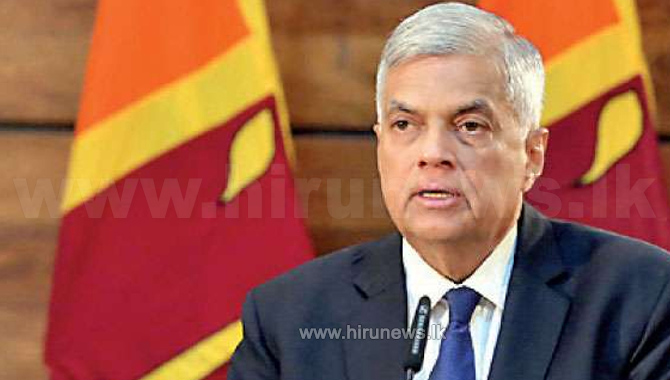
Prime Minister Ranil Wickremesinghe said that he will present an interim budget within six weeks, slashing infrastructure projects to re-route funds into a two-year relief programme for the crisis-hit nation according to an interview with Reuters.
Prime Minister who took office two weeks ago, warned that inflation would rise as the government gets down to tackling the crisis, and that there could be more protests on the streets.
He said he hoped any unrest would not get out of hand, adding that funds would be made available to help the most vulnerable of the country's 22 million people.
"Looking at the hard days ahead, there has to be protest. It's natural when people suffer, they must protest," Wickremesinghe has said in the interview at the prime minister's office in Colombo.
"But we want to ensure that it does not destabilise the political system.
"With the interim budget, it is just about cutting down expenditure, cutting to the bone where possible and transferring it to welfare."
Much of the public ire has been targeted at President Gotabaya Rajapaksa and his family, whom protesters blame for mishandling the economy.
The roots of the current crisis also lie in the COVID-19 pandemic, which devastated the country's lucrative tourism industry and sapped foreign workers' remittances, and populist tax cuts enacted by the Rajapaksa administration that drained government income.
"We have no rupee revenue, and now we have to print another (one) trillion rupees," PM said, warning that annual inflation could rocket past 40% in coming months, putting further pressure on Sri Lankan households already grappling with high prices.
Inflation rose to a record 33.8% year-on-year in April, compared to 21.5% in March, according to government data released on Monday.
Earlier on Tuesday, the government announced long-flagged increases in petrol and diesel prices to help repair public finances.
To find money for supporting relief measures, PM Wickremesinghe said his administration was undertaking a review of possible expenditure cuts across the country's bloated government sector.
"For instance, ministry of health, we just can't cut down its expenditure. Ministry of education, it's a limited cut down, but there are many other ministries where we can cut," he said.
A concrete plan to put public finances back on track is likely to be a part of Sri Lanka's ongoing negotiations with the International Monetary Fund (IMF) for a loan package.
On negotiations with the IMF, Wickremesinghe said he hoped for a "sustainable loan package", while undertaking structural reforms that would draw new investments into the country.
Worried about food shortages from August onwards, partly due to a disastrous decision last year to stop importing chemical fertilisers that slashed productivity, Sri Lanka is also banking on foreign aid from allies and multilateral agencies to shore up supplies of staples, Wickremesinghe said.
"We will have to look at some help from our friends abroad to ensure there's sufficient food," he said, "We will require more rice."
PM Wickremesinghe said he will likely meet China's ambassador to Sri Lanka next week, seeking fertiliser and medicines from Beijing.
"We'd like to see what's available," he said, "We know we need fertiliser. I would focus on that."
Interim budget within six weeks
Prime Minister Ranil Wickremesinghe said that he will present an interim budget within six weeks, slashing infrastructure projects to re-route funds into a two-year relief programme for the crisis-hit island nation.
Prime Minister who took office two weeks ago, warned that inflation would rise as the government gets down to tackling the crisis, and that there could be more protests on the streets.
He said he hoped any unrest would not get out of hand, adding that funds would be made available to help the most vulnerable of the country's 22 million people.
"Looking at the hard days ahead, there has to be protest. It's natural when people suffer, they must protest," Wickremesinghe has said in the interview at the prime minister's office in Colombo.
"But we want to ensure that it does not destabilise the political system.
"With the interim budget, it is just about cutting down expenditure, cutting to the bone where possible and transferring it to welfare."
Much of the public ire has been targeted at President Gotabaya Rajapaksa and his family, whom protesters blame for mishandling the economy.
The roots of the current crisis also lie in the COVID-19 pandemic, which devastated the country's lucrative tourism industry and sapped foreign workers' remittances, and populist tax cuts enacted by the Rajapaksa administration that drained government income.
"We have no rupee revenue, and now we have to print another (one) trillion rupees," PM said, warning that annual inflation could rocket past 40% in coming months, putting further pressure on Sri Lankan households already grappling with high prices.
Inflation rose to a record 33.8% year-on-year in April, compared to 21.5% in March, according to government data released on Monday.
Earlier on Tuesday, the government announced long-flagged increases in petrol and diesel prices to help repair public finances.
To find money for supporting relief measures, PM Wickremesinghe said his administration was undertaking a review of possible expenditure cuts across the country's bloated government sector.
"For instance, ministry of health, we just can't cut down its expenditure. Ministry of education, it's a limited cut down, but there are many other ministries where we can cut," he said.
A concrete plan to put public finances back on track is likely to be a part of Sri Lanka's ongoing negotiations with the International Monetary Fund (IMF) for a loan package.
On negotiations with the IMF, Wickremesinghe said he hoped for a "sustainable loan package", while undertaking structural reforms that would draw new investments into the country.
Worried about food shortages from August onwards, partly due to a disastrous decision last year to stop importing chemical fertilisers that slashed productivity, Sri Lanka is also banking on foreign aid from allies and multilateral agencies to shore up supplies of staples, Wickremesinghe said.
"We will have to look at some help from our friends abroad to ensure there's sufficient food," he said, "We will require more rice."
PM Wickremesinghe said he will likely meet China's ambassador to Sri Lanka next week, seeking fertiliser and medicines from Beijing.
"We'd like to see what's available," he said, "We know we need fertiliser. I would focus on that."
Interim budget within six weeks
Prime Minister Ranil Wickremesinghe said that he will present an interim budget within six weeks, slashing infrastructure projects to re-route funds into a two-year relief programme for the crisis-hit island nation.
Latest News
Veteran singer Nanda Malani passes away
Local
20 August 2026
Police officer dies from gunshot wounds
Local
20 August 2026
Rs. 835 million in Ditwah compensation paid to Badulla families
Local
20 August 2026
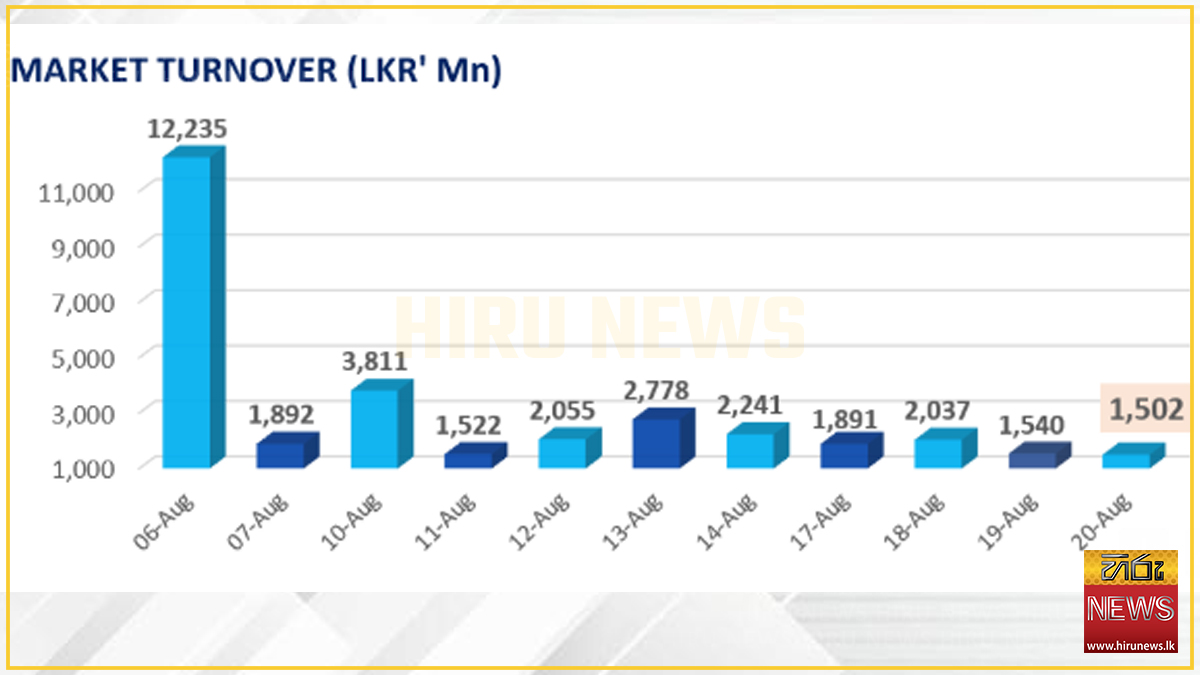
“ASPI closes in negative territory”
Local
20 August 2026
Australia summons Israel envoy over aid worker deaths
Local
20 August 2026
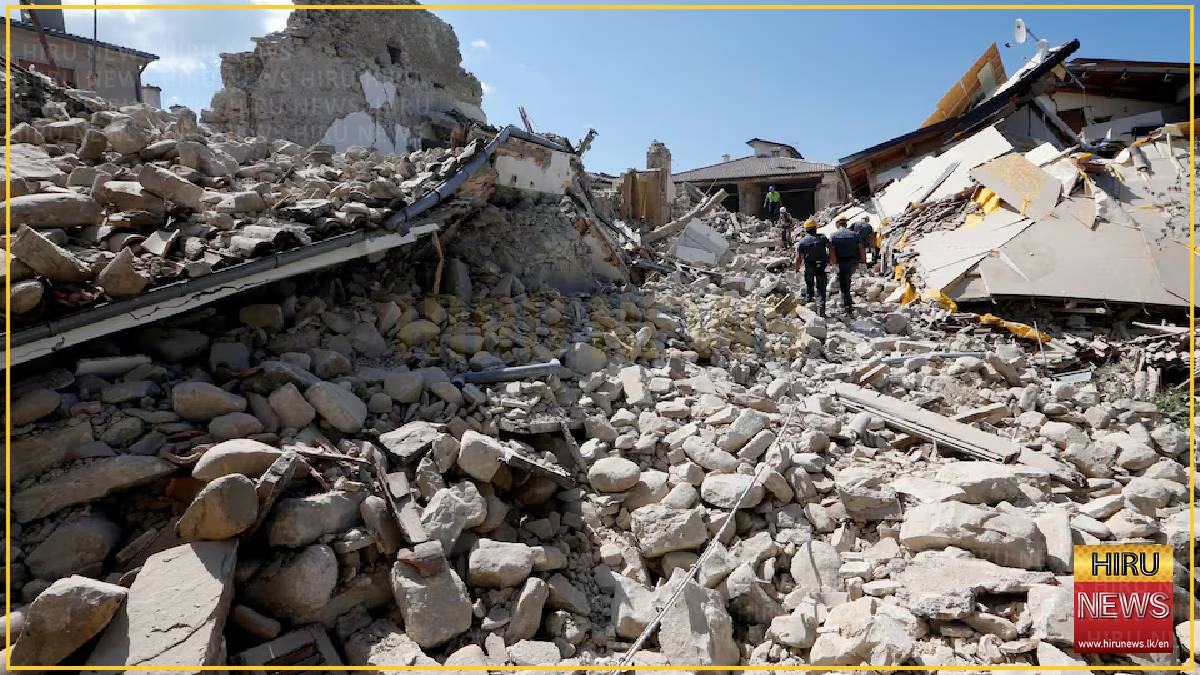
A decade after quake, Amatrice remains in ruins
Local
20 August 2026
Serbia turns to Russia to help fight wildfires
Local
20 August 2026
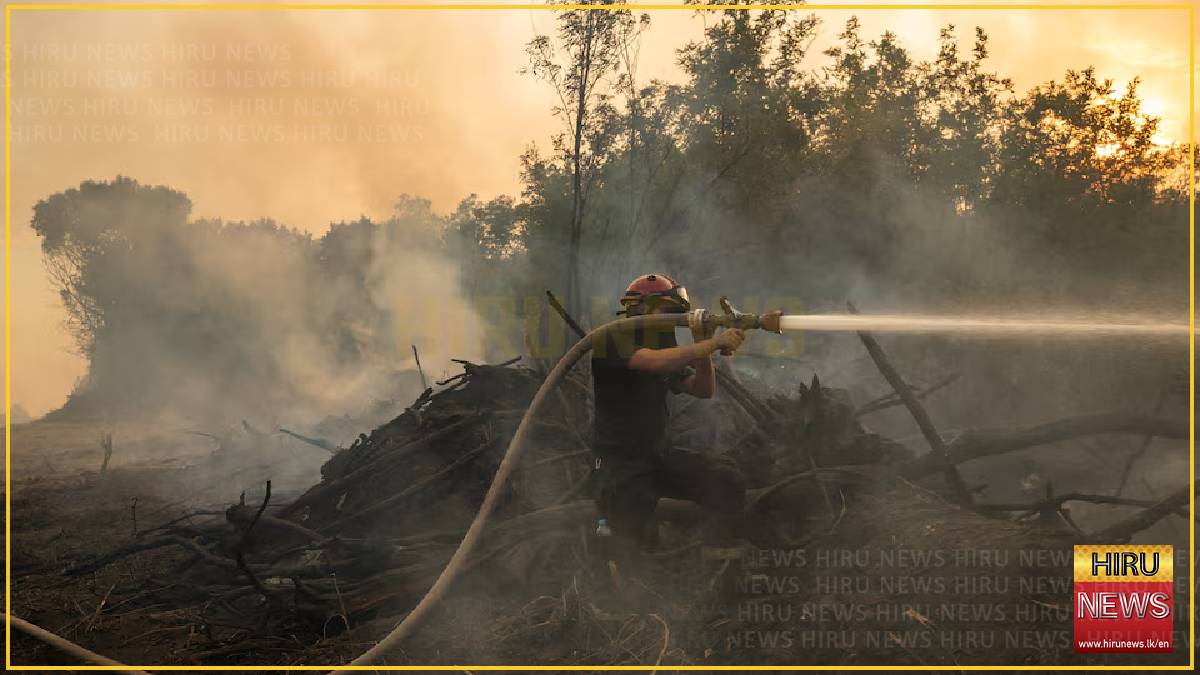
M23 rebels restrict travel over Ebola fears in Congo
Local
20 August 2026
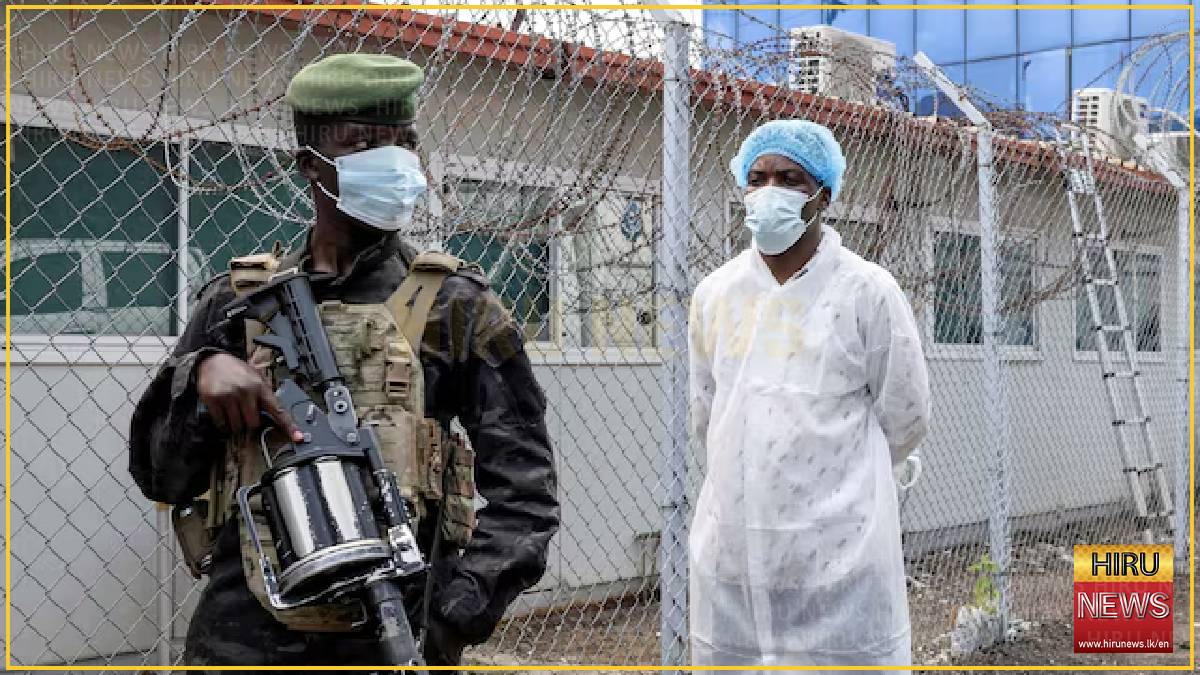
SriLankan supports Lanka’s mission ShakthiSAT representatives
Local
20 August 2026
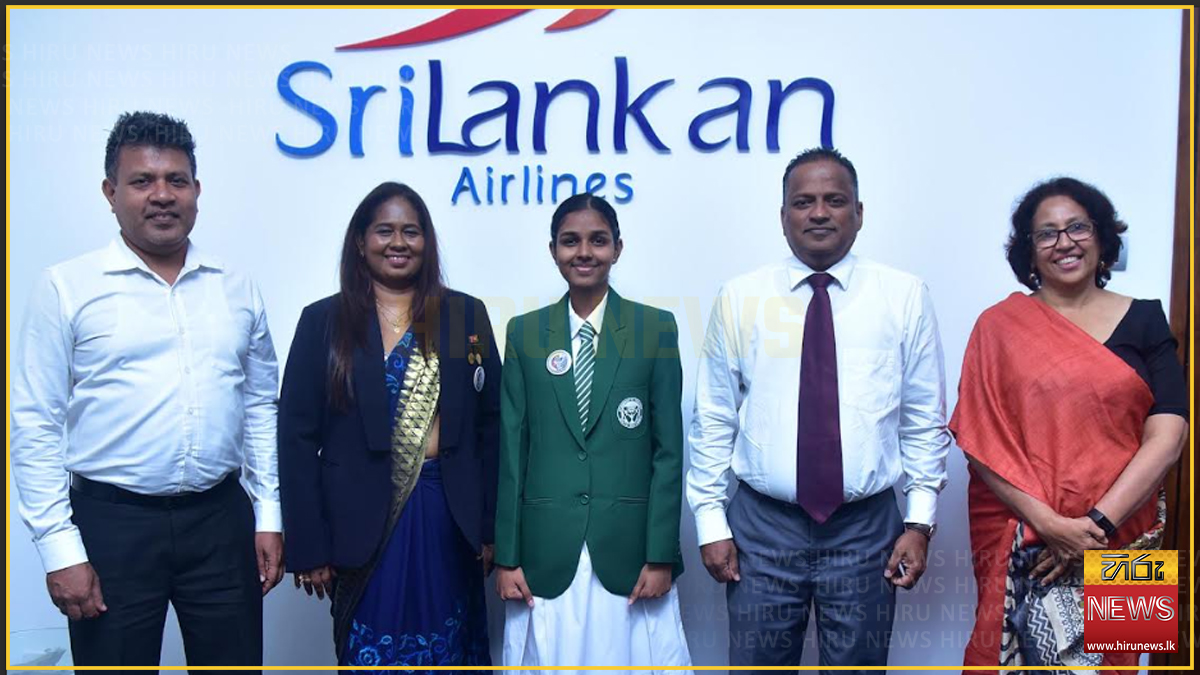
Liberia to receive US deportees mostly from Latin America
Local
20 August 2026