



Share Post


Two passengers sustained injuries when the roof of the Bambalapitiya railway station collapsed during a heavy rain accompanied by strong winds last afternoon. Fortunately, their injuries are reported as non-serious.
In another weather-related incident, a slow train traveling from Badulla to Kandy derailed. This derailment is expected to cause delays for trains operating along the uplcountry route, according to the railway department.
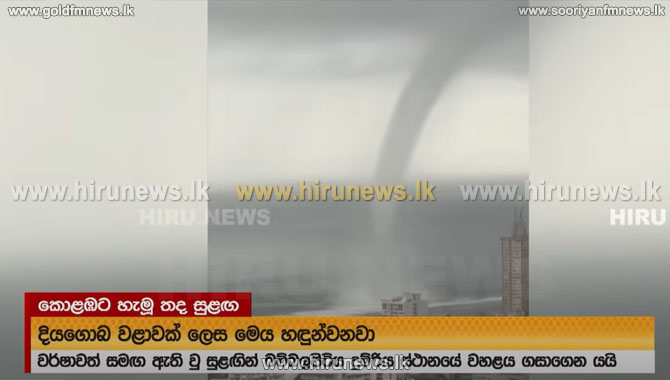
Meanwhile, there has been some speculation whether this was a water spout, just strong winds or a tornado.
Editor's Note:
The primary difference is that waterspouts occur over a body of water whereas tornadoes tend to happen over dry land. Waterspouts are a type of tornado that is usually less powerful and less destructive due to the fact that there is usually less in its path to destroy
A waterspout is a weather phenomenon characterized by a tornado-like column of water that extends from the base of a cloud down to the surface of a body of water, such as the ocean or a lake. Waterspouts are typically associated with severe thunderstorms and can vary in size and intensity.
There are two main types of waterspouts:
Tornadic Waterspouts: These are similar to tornadoes and form in association with severe thunderstorms. They develop from the rotation of a supercell thunderstorm and have a well-defined funnel that extends from the cloud to the water's surface. Tornadic waterspouts can be extremely dangerous and have the potential to cause significant damage if they make landfall.
Fair-Weather Waterspouts: These are generally less intense and occur in fair weather conditions, often over relatively calm waters. They typically have a smaller, less well-defined funnel and are less likely to pose a significant threat to life and property. Fair-weather waterspouts are often short-lived and relatively weak compared to tornadic waterspouts.
Waterspouts are more commonly observed in certain regions with the right meteorological conditions, such as coastal areas and warm, tropical waters. They can be visually striking and are often accompanied by swirling clouds, wind, and water spray.
It's important to note that waterspouts are primarily a marine phenomenon, and while they can be dangerous to boaters and coastal areas, they are generally not as destructive as tornadoes that form over land.
In another weather-related incident, a slow train traveling from Badulla to Kandy derailed. This derailment is expected to cause delays for trains operating along the uplcountry route, according to the railway department.
Meanwhile, there has been some speculation whether this was a water spout, just strong winds or a tornado.
Editor's Note:
The primary difference is that waterspouts occur over a body of water whereas tornadoes tend to happen over dry land. Waterspouts are a type of tornado that is usually less powerful and less destructive due to the fact that there is usually less in its path to destroy
A waterspout is a weather phenomenon characterized by a tornado-like column of water that extends from the base of a cloud down to the surface of a body of water, such as the ocean or a lake. Waterspouts are typically associated with severe thunderstorms and can vary in size and intensity.
There are two main types of waterspouts:
Tornadic Waterspouts: These are similar to tornadoes and form in association with severe thunderstorms. They develop from the rotation of a supercell thunderstorm and have a well-defined funnel that extends from the cloud to the water's surface. Tornadic waterspouts can be extremely dangerous and have the potential to cause significant damage if they make landfall.
Fair-Weather Waterspouts: These are generally less intense and occur in fair weather conditions, often over relatively calm waters. They typically have a smaller, less well-defined funnel and are less likely to pose a significant threat to life and property. Fair-weather waterspouts are often short-lived and relatively weak compared to tornadic waterspouts.
Waterspouts are more commonly observed in certain regions with the right meteorological conditions, such as coastal areas and warm, tropical waters. They can be visually striking and are often accompanied by swirling clouds, wind, and water spray.
It's important to note that waterspouts are primarily a marine phenomenon, and while they can be dangerous to boaters and coastal areas, they are generally not as destructive as tornadoes that form over land.
Latest News
'Serious change needed in approach of British government' - NI first minister
Local
21 July 2026

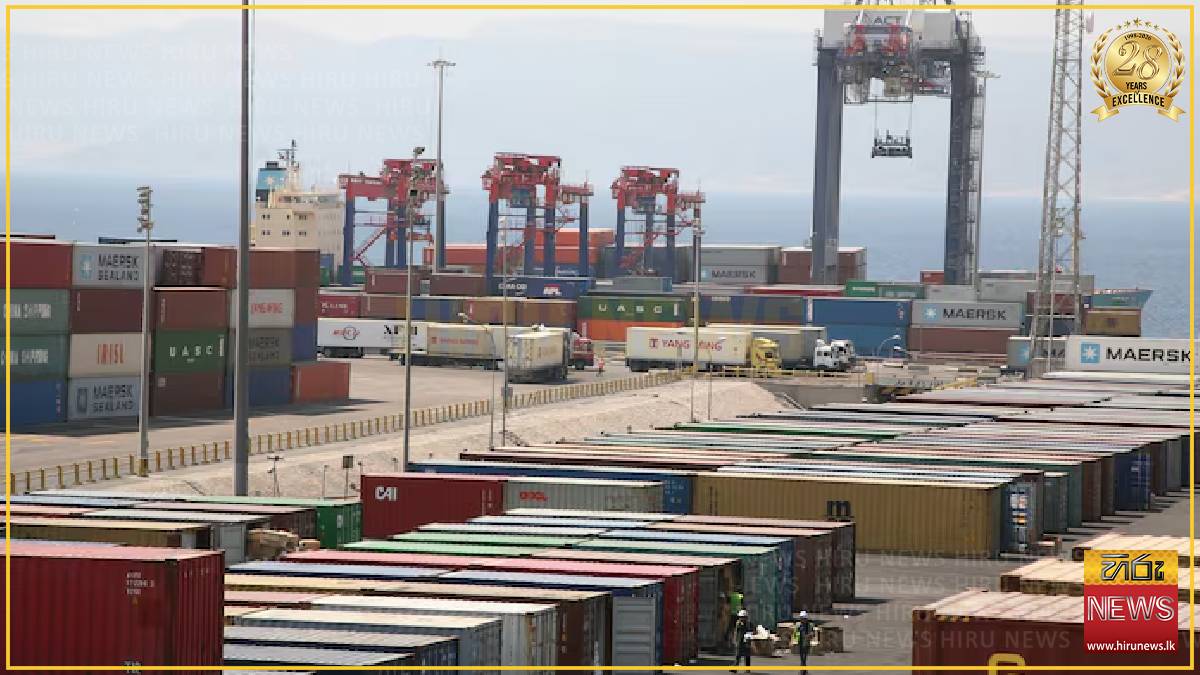
US announces trade deal with Jordan
Local
21 July 2026
TikTok US chief security officer to testify before US House
Local
21 July 2026

CIOB's World Construction Symposium concludes
Local
21 July 2026

China unleashes broad state support to halt tech stock selloff
Local
21 July 2026

University of Tennessee sues Anthropic over neural network technology
Local
21 July 2026

French mayor taken from his home and placed under protection after drug gang threats
Local
21 July 2026

Wildfires hit Spain and France as hailstorms batter Balkans
Local
21 July 2026

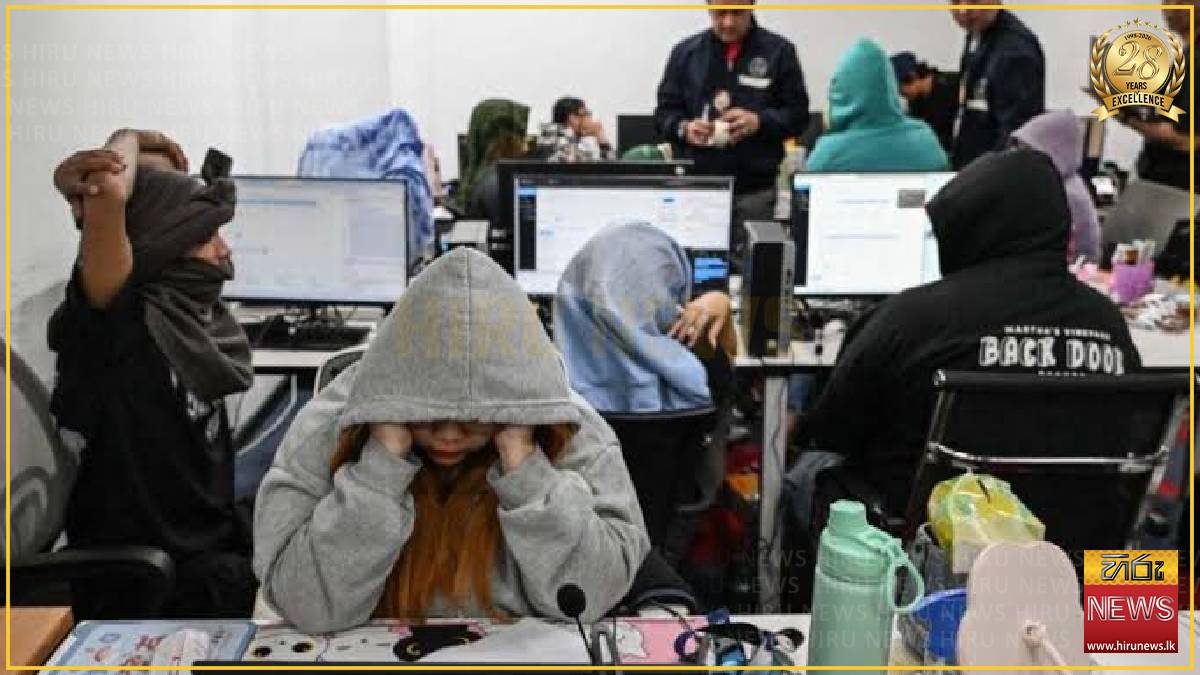
Scam gangs cost Asia-Pacific over $88 billion, says UN
Local
21 July 2026
South China Sea tensions rise as Philippines, China summon envoys
Local
21 July 2026