



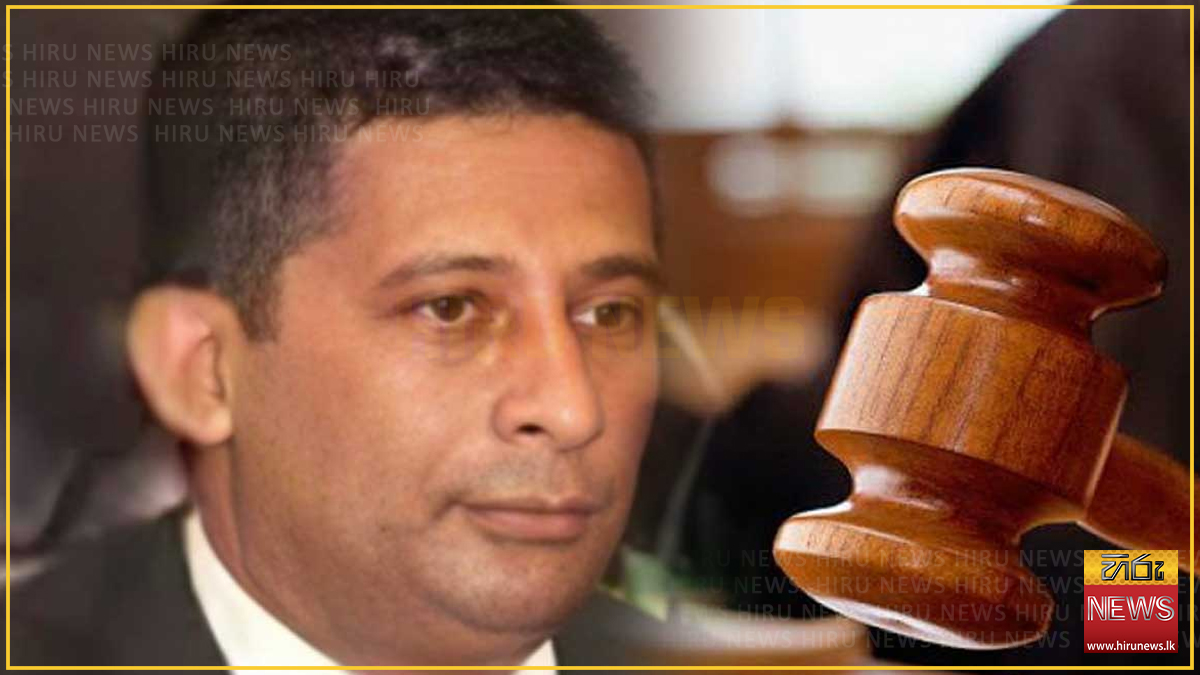


The Attorney General informed the Court of Appeal yesterday (25 August) that former Director of the State Intelligence Service, Suresh Sallay, was arrested under reasonable suspicion regarding the Easter Sunday terror attack investigations, strongly rejecting allegations that CID Director Shani Abeysekara acted maliciously.
Deputy Solicitor General Suharshe Herath made these submissions when the writ petition filed by Sallay—challenging his arrest and detention under the Prevention of Terrorism Act—was called before a two-judge bench comprising Court of Appeal President Judge Rohanta Abeysuriya and Judge Priyantha Fernando.
Addressing the court, Deputy Solicitor General Herath stated that the petition’s claims of malice by CID Director Shani Abeysekara were completely baseless. She noted that the probe was handed over to the CID under the Inspector General of Police's orders during the tenure of former CID Director Mangala Dehideniya, prior to Abeysekara's arrival. She added that Senior Superintendent of Police Himesha Muthumala had obtained the travel ban against Sallay while serving as CID Director, further proving that investigations were already underway before Abeysekara assumed his post.
Rejecting claims by the petitioner's counsel regarding adverse findings against Abeysekara by presidential commissions, the Deputy Solicitor General clarified that while the Janak de Silva Commission recommended disciplinary action against several police officers, Abeysekara was not named anywhere in those recommendations.
She further pointed out that Sallay had failed to cooperate with investigators, offering four different incorrect passwords when asked to unlock his electronic devices, which eventually compelled the CID to obtain a court order from the Fort Magistrate. She also accused the petitioner of concealing facts, noting that while Sallay claimed in his police statement to have handed over his diplomatic passport to the Ministry of Foreign Affairs upon returning from Malaysia, selected pages of the same diplomatic passport were attached to his court petition.
Commenting on the 13 intervening petitions filed in the case, the Deputy Solicitor General noted that except for the petition filed by the Archbishop, all others requested the court to grant the relief sought by Sallay. She highlighted that roughly 80% of these intervening petitioners were Buddhist monks citing Article 9 of the Constitution and alleging rights violations under a public interest litigation framework. She argued that public interest litigation principles cannot be applied to writ applications, noting that an arrest is a personal matter and that the intervening petitioners were not victims of the Easter attacks. She requested the court to dismiss the intervening petitions without issuing notice.
After considering the submissions, the bench announced that the order on whether to issue notice regarding the intervening petitions will be delivered on 7 October. Further consideration of Suresh Sallay’s main petition was scheduled for 3 September.
Latest News
Political opponents now forced to accept necessity of past development projects, says Namal Rajapaksa
Police issue strict directives on loudspeaker use and noise pollution

33 arrested in joint operations against illegal fishing

GMOA decides to oppose 22nd Amendment

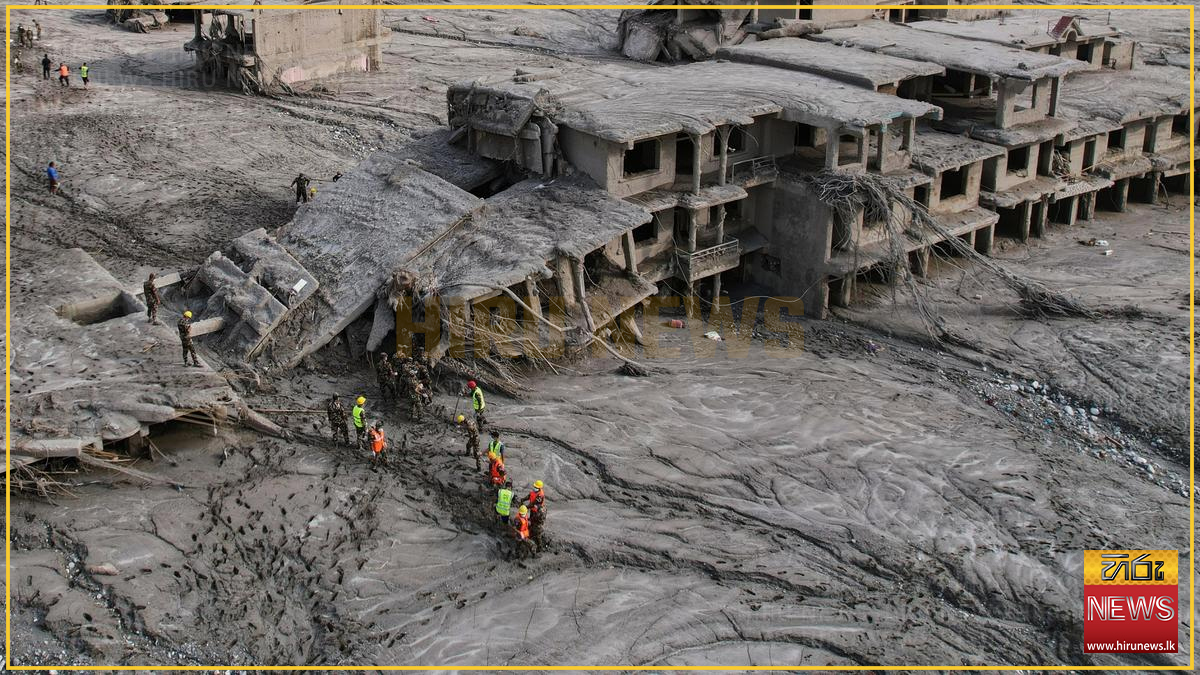
Over 700 dead and thousands missing following flash floods in Nepal and Tibet
FLIR, Marlbo promote smarter maintenance for SL industries

Iceland EU referendum on a knife-edge as counting continues

Australia usually hosts the world's biggest cuttlefish mating event - not this year

‘New Girl’ reunion is not happening: ‘there are no scripts,’ says creator Liz Meriwether

Norway's King Haakon honours 'dear father' Harald in first speech as sovereign