




Share Post


Ranitha Gnanarajah, a Sri Lankan lawyer and civil activist, has been included in this year's list of 14 International Courageous Women award presented annually by the US State Department.
On Monday, March 8, at 10:00 a.m., Secretary of State Antony J. Blinken will host the annual International Women of Courage (IWOC) Awards virtual ceremony to honor a group of extraordinary women from around the world, including an honorary award for seven women leaders and activists from Afghanistan who were assassinated for their dedication to improving the lives of Afghans.
The First Lady of the United States, Dr. Jill Biden will deliver remarks to recognize the courageous accomplishments of these women.
Now in its 15th year, the Secretary of State’s IWOC Award recognizes women from around the globe who have demonstrated exceptional courage and leadership in advocating for peace, justice, human rights, gender equality, and women’s empowerment – often at great personal risk and sacrifice.
From the inception of this award in March 2007 to today, the Department of State has recognized more than 155 awardees from over 75 countries. U.S. diplomatic missions overseas nominate one woman of courage from their respective host countries, and finalists are selected and approved by senior Department officials.
Following the virtual IWOC ceremony, the awardees will participate in an International Visitor Leadership Program (IVLP) virtual exchange and connect with their American counterparts. The 2021 awardees in addition to Sri Lanka are from Belarus, Burma, Cameroon, China, Colombia, Congo, Guatemala, Iran, Nepal, Somalia, Spain, Turkey and Venezuela will be recognized at the awards ceremony.
Ranitha Gnanarajah, a lawyer, who continues to fight for and defend the rights of the marginalized and vulnerable communities in the country, has dedicated her career to accountability and justice for victims of enforced disappearances and prisoners.
A note on the official facebook page of the US embassy regarding Ranitha Gnanarajah states the following;
Ranitha Gnanarajah is a fine example to everyone as to how we can commit ourselves to stand against any form of violence, be the #VoiceofSilence & stand in solidarity with victims of #GBV. She is an Attorney at Law and Head of the Legal Department of the CHRD Sri Lanka. She began her career as an Attorney-at-Law at the Home for Human Rights (HHR) in 2006, where she was placed in charge of the Women’s Desk that addressed violence against women issues across the country. Shocked by the increasing number of cases on sexual and gender-based violations (SGBV) perpetrated against women and children, Ranitha made a decision to commit herself to giving a voice to women and child survivors of sexual violence. She started building alliances with the national level women activist groups and worked together with them to raise SGBV issues at the national and international level. Conducting research and fact finding on neglected areas such as language issues in police stations, harassment of women victims in the absence of the Women and Children’s Desks in local police stations and studying the efficiency of support services such as counselling and the provision of shelter and medical facilities are areas she is thoroughly involved in. Awareness creation on legal principles, available support service facilities and linking strategies with government officials, are also areas she is passionate about. Ranitha has appeared in high profile, sensitive court cases on child abuse and sexual violence and continues to lend her voice against SGBV issues in Sri Lanka, working with survivors of VAW to ensure that their voices are heard and their needs met.
Previous winner
Marini de Livera, won the award in 2019. She champions the causes of women and child victims of crime, promotes alternative care for children trapped in orphanages and innovative use of visual arts and street theater to promote legal literacy, was the former Chairperson of the National Child Protection Authority and a member of the Steering Committee on the Rehabilitation of Child Soldiers, the Prisons’ Reforms Committee, and the National Committee on Women. She also chaired the committee that drafted the amendments to the Prevention of Domestic Violence Act and worked as a Human Rights Trainer.
The award winners are as follows;
Belarus – Maria Kalesnikava
Ahead of the August 9, 2020, presidential election, Belarusian women emerged as a dominant political force and driver of societal change in Belarus due in no small part to Maria Kalesnikava. After authorities jailed or exiled the three most popular male opposition candidates, Maria and her partners mounted a historic and sustained challenge to the 26-year rule of Alyaksandr Lukashenka. Maria continues to be the face of the opposition inside Belarus, courageously facing imprisonment in the aftermath of the disputed election. Despite her detention, Maria continues to keep the democratic movement alive inside Belarus and serves as a source of inspiration for all those seeking to win freedom for themselves and their countries.
Burma – Phyoe Phyoe Aung
An emerging leader who is likely to play a role in shaping the country in the coming years, Phyoe Phyoe Aung is the co-founder of the Wings Institute for Reconciliation, an organization that facilitates exchanges between youth of different ethnic and religious groups. Her work promotes peacebuilding and reconciliation and enables a vital dialogue on federalism and transitional justice. She organized a 2015 protest march from Mandalay to Yangon that was violently suppressed by the Myanmar Police Force as it neared Yangon, and she and her husband were arrested and imprisoned. Phyoe Phyoe was released in April 2016 after 13 months as part of a broad pardon of political prisoners facing court trials.
Cameroon – Maximilienne C. Ngo Mbe
Maximilienne C. Ngo Mbe has demonstrated extraordinary leadership, courage, and perseverance through adversity in promoting human rights in Cameroon and Central Africa. She has been an outspoken voice among civil society actors, often sacrificing her personal safety, in the push for a peaceful solution to the Anglophone crisis in Cameroon. She has called for an end to human rights abuses committed by separatists and security forces in the Northwest and Southwest regions and by security forces in the Far North. Maximilienne has also spoken out against the increased constraints placed on civil society, journalists, and political opposition by the Government of Cameroon. Her commitment to promoting human rights has been unwavering despite the intimidation, threats, and assault she has endured.
China – Wang Yu
Wang Yu was one of the country’s most prominent human rights lawyers until her arrest and imprisonment following China’s nationwide persecution of lawyers and rights advocates during the “709 crackdown.” She had taken on multiple politically sensitive cases, representing activists, scholars, Falun Gong practitioners, farmers, and petitioners in cases involving a wide array of issues, including women’s and children’s rights, and the rights to religion, freedom of expression, assembly, and association. She is now under an exit ban and has been harassed, threatened, searched, and physically assaulted by police since she began to take on rights abuse cases in 2011.
Colombia – Mayerlis Angarita
Mayerlis Angarita has courageously advanced peace and human rights in Colombia, often at great personal risk. Her work has improved the security, livelihoods, and resilience of countless women leaders, conflict victims, and her community. Finding healing in storytelling after her own mother was forcibly disappeared during Colombia’s conflict, she founded the civil society organization “Narrate to Live,” which now serves over 800 women victims of conflict. Additionally, after the most recent attempt on her life, she engaged the highest levels of the Colombian government to advance a comprehensive action plan to prevent violence against women leaders in her community. Her constructive engagement across 27 government entities, civil society, and the international community has been key to the plan’s success and propelled it to become a model for human rights defender protection throughout Colombia.
Democratic Republic of the Congo – Julienne Lusenge
Since 1978, Julienne Lusenge has been the leading female activist in Democratic Republic of the Congo (DRC) fighting against gender-based violence (GBV) and the promotion of the rights of women and girls in conflict situations. In 2000, she created Women’s Solidarity for Peace and Integral Development, the DRC’s foremost organization defending the rights of women and girls against impunity for GBV. Julienne’s vocal testimony has contributed to the adoption of international agreements such as UN 1820, which recognizes sexual violence as a weapon of war. Julienne has touched the lives of millions of women across the DRC, harnessing the attention of the international community to acknowledge and act on the extent of sexual violence shattering DRC’s communities.
Guatemala – Judge Erika Aifan
Judge Erika Lorena Aifan is a trial judge working in the High-Risk Criminal Court with responsibility for high-impact crimes. She has presided over high-profile corruption and war atrocity cases, leading to defamation and threats of violence against her. Despite these challenges, Judge Aifan persisted as a Guatemalan judge independent of political influence. She has demonstrated determination and fortitude in upholding the rule of law in Guatemala. Despite the strong opposition she has faced throughout her tenure, Judge Aifan has become an icon in Guatemala in the fight against corruption, efforts to increase transparency, and actions to improve independence in the justice sector.
Iran – Shohreh Bayat
When Shohreh Bayat boarded her flight on her way to the 2020 Women’s Chess World Championship, she had no idea she might be seeing her native Iran for the last time. Shohreh, the first female Category A international chess arbiter in Asia was photographed at the Championship without her hijab, which is compulsory in Iran. Within 24 hours, the Iranian Chess Federation – which Shohreh had previously led – refused to guarantee Shohreh’s safety if she returned to Iran without first apologizing. Fearing for her safety and unwilling to apologize for the incident, Shohreh made the heart-wrenching decision to seek refuge in the UK, leaving her husband – who lacked a UK visa – in Iran. In that moment, Shohreh chose to be a champion for women’s rights rather than be cowed by the Iranian government’s threats.
Nepal – Muskan Khatun
Muskan Khatun has been instrumental in bringing about new legislation criminalizing acid attacks and imposing strong penalties against perpetrators in Nepal. When Muskan was 15, she was critically injured in an acid attack after she rejected a boy’s romantic propositions. With the help of a social worker, Muskan lobbied for stronger legal action against the perpetrators of acid attacks under duress of threats and the strong social stigma associated with acid attack victims. She went before a parliamentary committee, wrote a letter to Nepal’s Prime Minister, and eventually met with him in person, to request a stronger law. Within a year of her attack, Nepal’s President issued an ordinance with harsh penalties for acid attacks and regulations on the sale of acids, a testament to Muskan’s significant advocacy.
Somalia – Zahra Mohamed Ahmad
For more than 20 years, Zahra Mohamed Ahmad has been at the forefront of defending human rights in Somalia, especially for its most vulnerable groups. As an accomplished lawyer, Zahra began providing legal aid, for sexual and gender-based violence (SGBV) survivors, women on remand status, and women in pre-trial detention. Zahra is the founder of and legal advisor for the Somali Women Development Center, an organization that reports on human rights violations and cases of abuse; supports survivors through legal assistance; established Somalia’s first free hotline service to combat SGBV; and operates one-stop centers for SGBV survivors, mobile legal clinics, family care centers, safe spaces for women and girls, and community child protection centers for internally displaced children.
Spain – Sister Alicia Vacas Moro
A registered nurse, Sister Alicia Vacas Moro ran a medical clinic in Egypt for eight years, helping 150 low income patients a day treat their maladies. She then moved to the biblical town of Bethany to help an impoverished Bedouin community, especially women and children. She set up training programs for women that provided them with previously unavailable economic opportunities, and established kindergartens in Bedouin camps, providing an educational foundation for children. In an environment shaped by the Israeli-Palestinian conflict, Sister Alicia also assisted traumatized refugees and asylum seekers, a job she continues to perform on a larger scale in her current role as the regional coordinator for the Comboni Sisters in the Middle East. When the COVID-19 pandemic struck northern Italy, she flew to Italy to assist and treat fellow sister nuns, undeterred by extreme danger to herself.
Sri Lanka – Ranitha Gnanarajah
Ranitha Gnanarajah, a lawyer, continues to fight for and defend the rights of the marginalized and vulnerable communities in the country, despite threats and challenges by the state. Ranitha has dedicated her career to accountability and justice for victims of enforced disappearances and prisoners detained often for years without charge under Sri Lanka’s Prevention of Terrorism Act by providing free legal aid and related services. As an individual personally affected by the conflict and based on her extensive experience working with victims and their families, Ranitha has demonstrated tremendous passion and dedication to justice and accountability, especially for Sri Lanka’s most vulnerable populations.
Turkey – Canan Gullu
Canan Gullu has been an activist and organizer for 31 years and is the president of the Turkish Federation of Women’s Associations, an umbrella organization of women’s NGOs; she leads186 branches and 52,500 members. Canan has been a steadfast champion of gender equality, working to promote women’s participation in governance, labor force, and education. In 2007, the Turkish Federation of Women Associations established the first emergency hotline for victims of violence in Turkey, which continues its operations. Over the past two years, Canan launched an education and advocacy campaign focused on failures in the Turkish government’s implementation since 2012 of the Istanbul Convention, the Council of Europe’s Convention on preventing and combating violence against women and domestic violence. Canan’s activism has been critical to educating the public about the convention and reinforcing the need to combat gender-based violence, which quelled some politicians’ calls for Turkey’s withdrawal.
Venezuela – Ana Rosario Contreras
As president of the Caracas Nurses’ Association, Ana Rosario Contreras has been on the front lines in the fight for the rights of healthcare professionals, patients, and labor unions. Contreras’ fierce activism has generated widespread support from the Venezuelan people and is at the center of the civil-political movement pushing for democratic change. In a climate where the government routinely jails, tortures, harasses, threatens, or restricts the movement of its opponents, Contreras defends citizens’ rights at great personal risk. She has advocated for labor rights and has worked tirelessly to ensure that healthcare workers could receive a subsidy through Interim President Juan Guido’s Health Heroes program.
On Monday, March 8, at 10:00 a.m., Secretary of State Antony J. Blinken will host the annual International Women of Courage (IWOC) Awards virtual ceremony to honor a group of extraordinary women from around the world, including an honorary award for seven women leaders and activists from Afghanistan who were assassinated for their dedication to improving the lives of Afghans.
The First Lady of the United States, Dr. Jill Biden will deliver remarks to recognize the courageous accomplishments of these women.
Now in its 15th year, the Secretary of State’s IWOC Award recognizes women from around the globe who have demonstrated exceptional courage and leadership in advocating for peace, justice, human rights, gender equality, and women’s empowerment – often at great personal risk and sacrifice.
From the inception of this award in March 2007 to today, the Department of State has recognized more than 155 awardees from over 75 countries. U.S. diplomatic missions overseas nominate one woman of courage from their respective host countries, and finalists are selected and approved by senior Department officials.
Following the virtual IWOC ceremony, the awardees will participate in an International Visitor Leadership Program (IVLP) virtual exchange and connect with their American counterparts. The 2021 awardees in addition to Sri Lanka are from Belarus, Burma, Cameroon, China, Colombia, Congo, Guatemala, Iran, Nepal, Somalia, Spain, Turkey and Venezuela will be recognized at the awards ceremony.
Ranitha Gnanarajah, a lawyer, who continues to fight for and defend the rights of the marginalized and vulnerable communities in the country, has dedicated her career to accountability and justice for victims of enforced disappearances and prisoners.
A note on the official facebook page of the US embassy regarding Ranitha Gnanarajah states the following;
Ranitha Gnanarajah is a fine example to everyone as to how we can commit ourselves to stand against any form of violence, be the #VoiceofSilence & stand in solidarity with victims of #GBV. She is an Attorney at Law and Head of the Legal Department of the CHRD Sri Lanka. She began her career as an Attorney-at-Law at the Home for Human Rights (HHR) in 2006, where she was placed in charge of the Women’s Desk that addressed violence against women issues across the country. Shocked by the increasing number of cases on sexual and gender-based violations (SGBV) perpetrated against women and children, Ranitha made a decision to commit herself to giving a voice to women and child survivors of sexual violence. She started building alliances with the national level women activist groups and worked together with them to raise SGBV issues at the national and international level. Conducting research and fact finding on neglected areas such as language issues in police stations, harassment of women victims in the absence of the Women and Children’s Desks in local police stations and studying the efficiency of support services such as counselling and the provision of shelter and medical facilities are areas she is thoroughly involved in. Awareness creation on legal principles, available support service facilities and linking strategies with government officials, are also areas she is passionate about. Ranitha has appeared in high profile, sensitive court cases on child abuse and sexual violence and continues to lend her voice against SGBV issues in Sri Lanka, working with survivors of VAW to ensure that their voices are heard and their needs met.
Previous winner
Marini de Livera, won the award in 2019. She champions the causes of women and child victims of crime, promotes alternative care for children trapped in orphanages and innovative use of visual arts and street theater to promote legal literacy, was the former Chairperson of the National Child Protection Authority and a member of the Steering Committee on the Rehabilitation of Child Soldiers, the Prisons’ Reforms Committee, and the National Committee on Women. She also chaired the committee that drafted the amendments to the Prevention of Domestic Violence Act and worked as a Human Rights Trainer.
The award winners are as follows;
Belarus – Maria Kalesnikava
Ahead of the August 9, 2020, presidential election, Belarusian women emerged as a dominant political force and driver of societal change in Belarus due in no small part to Maria Kalesnikava. After authorities jailed or exiled the three most popular male opposition candidates, Maria and her partners mounted a historic and sustained challenge to the 26-year rule of Alyaksandr Lukashenka. Maria continues to be the face of the opposition inside Belarus, courageously facing imprisonment in the aftermath of the disputed election. Despite her detention, Maria continues to keep the democratic movement alive inside Belarus and serves as a source of inspiration for all those seeking to win freedom for themselves and their countries.
Burma – Phyoe Phyoe Aung
An emerging leader who is likely to play a role in shaping the country in the coming years, Phyoe Phyoe Aung is the co-founder of the Wings Institute for Reconciliation, an organization that facilitates exchanges between youth of different ethnic and religious groups. Her work promotes peacebuilding and reconciliation and enables a vital dialogue on federalism and transitional justice. She organized a 2015 protest march from Mandalay to Yangon that was violently suppressed by the Myanmar Police Force as it neared Yangon, and she and her husband were arrested and imprisoned. Phyoe Phyoe was released in April 2016 after 13 months as part of a broad pardon of political prisoners facing court trials.
Cameroon – Maximilienne C. Ngo Mbe
Maximilienne C. Ngo Mbe has demonstrated extraordinary leadership, courage, and perseverance through adversity in promoting human rights in Cameroon and Central Africa. She has been an outspoken voice among civil society actors, often sacrificing her personal safety, in the push for a peaceful solution to the Anglophone crisis in Cameroon. She has called for an end to human rights abuses committed by separatists and security forces in the Northwest and Southwest regions and by security forces in the Far North. Maximilienne has also spoken out against the increased constraints placed on civil society, journalists, and political opposition by the Government of Cameroon. Her commitment to promoting human rights has been unwavering despite the intimidation, threats, and assault she has endured.
China – Wang Yu
Wang Yu was one of the country’s most prominent human rights lawyers until her arrest and imprisonment following China’s nationwide persecution of lawyers and rights advocates during the “709 crackdown.” She had taken on multiple politically sensitive cases, representing activists, scholars, Falun Gong practitioners, farmers, and petitioners in cases involving a wide array of issues, including women’s and children’s rights, and the rights to religion, freedom of expression, assembly, and association. She is now under an exit ban and has been harassed, threatened, searched, and physically assaulted by police since she began to take on rights abuse cases in 2011.
Colombia – Mayerlis Angarita
Mayerlis Angarita has courageously advanced peace and human rights in Colombia, often at great personal risk. Her work has improved the security, livelihoods, and resilience of countless women leaders, conflict victims, and her community. Finding healing in storytelling after her own mother was forcibly disappeared during Colombia’s conflict, she founded the civil society organization “Narrate to Live,” which now serves over 800 women victims of conflict. Additionally, after the most recent attempt on her life, she engaged the highest levels of the Colombian government to advance a comprehensive action plan to prevent violence against women leaders in her community. Her constructive engagement across 27 government entities, civil society, and the international community has been key to the plan’s success and propelled it to become a model for human rights defender protection throughout Colombia.
Democratic Republic of the Congo – Julienne Lusenge
Since 1978, Julienne Lusenge has been the leading female activist in Democratic Republic of the Congo (DRC) fighting against gender-based violence (GBV) and the promotion of the rights of women and girls in conflict situations. In 2000, she created Women’s Solidarity for Peace and Integral Development, the DRC’s foremost organization defending the rights of women and girls against impunity for GBV. Julienne’s vocal testimony has contributed to the adoption of international agreements such as UN 1820, which recognizes sexual violence as a weapon of war. Julienne has touched the lives of millions of women across the DRC, harnessing the attention of the international community to acknowledge and act on the extent of sexual violence shattering DRC’s communities.
Guatemala – Judge Erika Aifan
Judge Erika Lorena Aifan is a trial judge working in the High-Risk Criminal Court with responsibility for high-impact crimes. She has presided over high-profile corruption and war atrocity cases, leading to defamation and threats of violence against her. Despite these challenges, Judge Aifan persisted as a Guatemalan judge independent of political influence. She has demonstrated determination and fortitude in upholding the rule of law in Guatemala. Despite the strong opposition she has faced throughout her tenure, Judge Aifan has become an icon in Guatemala in the fight against corruption, efforts to increase transparency, and actions to improve independence in the justice sector.
Iran – Shohreh Bayat
When Shohreh Bayat boarded her flight on her way to the 2020 Women’s Chess World Championship, she had no idea she might be seeing her native Iran for the last time. Shohreh, the first female Category A international chess arbiter in Asia was photographed at the Championship without her hijab, which is compulsory in Iran. Within 24 hours, the Iranian Chess Federation – which Shohreh had previously led – refused to guarantee Shohreh’s safety if she returned to Iran without first apologizing. Fearing for her safety and unwilling to apologize for the incident, Shohreh made the heart-wrenching decision to seek refuge in the UK, leaving her husband – who lacked a UK visa – in Iran. In that moment, Shohreh chose to be a champion for women’s rights rather than be cowed by the Iranian government’s threats.
Nepal – Muskan Khatun
Muskan Khatun has been instrumental in bringing about new legislation criminalizing acid attacks and imposing strong penalties against perpetrators in Nepal. When Muskan was 15, she was critically injured in an acid attack after she rejected a boy’s romantic propositions. With the help of a social worker, Muskan lobbied for stronger legal action against the perpetrators of acid attacks under duress of threats and the strong social stigma associated with acid attack victims. She went before a parliamentary committee, wrote a letter to Nepal’s Prime Minister, and eventually met with him in person, to request a stronger law. Within a year of her attack, Nepal’s President issued an ordinance with harsh penalties for acid attacks and regulations on the sale of acids, a testament to Muskan’s significant advocacy.
Somalia – Zahra Mohamed Ahmad
For more than 20 years, Zahra Mohamed Ahmad has been at the forefront of defending human rights in Somalia, especially for its most vulnerable groups. As an accomplished lawyer, Zahra began providing legal aid, for sexual and gender-based violence (SGBV) survivors, women on remand status, and women in pre-trial detention. Zahra is the founder of and legal advisor for the Somali Women Development Center, an organization that reports on human rights violations and cases of abuse; supports survivors through legal assistance; established Somalia’s first free hotline service to combat SGBV; and operates one-stop centers for SGBV survivors, mobile legal clinics, family care centers, safe spaces for women and girls, and community child protection centers for internally displaced children.
Spain – Sister Alicia Vacas Moro
A registered nurse, Sister Alicia Vacas Moro ran a medical clinic in Egypt for eight years, helping 150 low income patients a day treat their maladies. She then moved to the biblical town of Bethany to help an impoverished Bedouin community, especially women and children. She set up training programs for women that provided them with previously unavailable economic opportunities, and established kindergartens in Bedouin camps, providing an educational foundation for children. In an environment shaped by the Israeli-Palestinian conflict, Sister Alicia also assisted traumatized refugees and asylum seekers, a job she continues to perform on a larger scale in her current role as the regional coordinator for the Comboni Sisters in the Middle East. When the COVID-19 pandemic struck northern Italy, she flew to Italy to assist and treat fellow sister nuns, undeterred by extreme danger to herself.
Sri Lanka – Ranitha Gnanarajah
Ranitha Gnanarajah, a lawyer, continues to fight for and defend the rights of the marginalized and vulnerable communities in the country, despite threats and challenges by the state. Ranitha has dedicated her career to accountability and justice for victims of enforced disappearances and prisoners detained often for years without charge under Sri Lanka’s Prevention of Terrorism Act by providing free legal aid and related services. As an individual personally affected by the conflict and based on her extensive experience working with victims and their families, Ranitha has demonstrated tremendous passion and dedication to justice and accountability, especially for Sri Lanka’s most vulnerable populations.
Turkey – Canan Gullu
Canan Gullu has been an activist and organizer for 31 years and is the president of the Turkish Federation of Women’s Associations, an umbrella organization of women’s NGOs; she leads186 branches and 52,500 members. Canan has been a steadfast champion of gender equality, working to promote women’s participation in governance, labor force, and education. In 2007, the Turkish Federation of Women Associations established the first emergency hotline for victims of violence in Turkey, which continues its operations. Over the past two years, Canan launched an education and advocacy campaign focused on failures in the Turkish government’s implementation since 2012 of the Istanbul Convention, the Council of Europe’s Convention on preventing and combating violence against women and domestic violence. Canan’s activism has been critical to educating the public about the convention and reinforcing the need to combat gender-based violence, which quelled some politicians’ calls for Turkey’s withdrawal.
Venezuela – Ana Rosario Contreras
As president of the Caracas Nurses’ Association, Ana Rosario Contreras has been on the front lines in the fight for the rights of healthcare professionals, patients, and labor unions. Contreras’ fierce activism has generated widespread support from the Venezuelan people and is at the center of the civil-political movement pushing for democratic change. In a climate where the government routinely jails, tortures, harasses, threatens, or restricts the movement of its opponents, Contreras defends citizens’ rights at great personal risk. She has advocated for labor rights and has worked tirelessly to ensure that healthcare workers could receive a subsidy through Interim President Juan Guido’s Health Heroes program.
Latest News
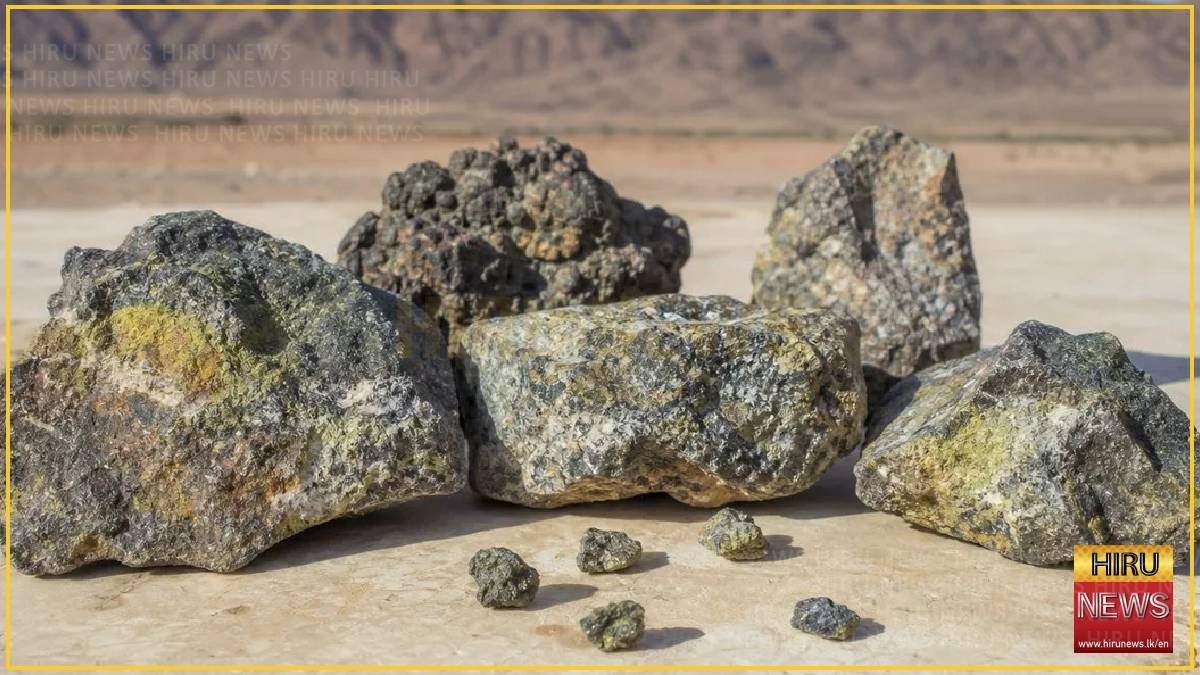
Saudi Arabia Discovers 110 Million Tonnes of Uranium-Bearing Ore
Local
15 September 2026
Kremlin welcomes Trump's call on Ukraine to halt strikes on diesel facilities
Local
15 September 2026

Oil tanker exploded after colliding with mines in Hormuz, Iran's Fars reports
Local
15 September 2026

Manchester derby VAR stood down from Premier League duty
Local
15 September 2026

Legendary costume designer Bob Mackie dies aged 87
Local
15 September 2026

Houthis strike Saudi targets anew as talks over Strait of Hormuz stall
Local
15 September 2026

Mother of Sri Lanka cricket legend Aravinda de Silva passes away
Local
14 September 2026

Sri Lanka showcases diversified tourism offerings at ATM
Local
14 September 2026

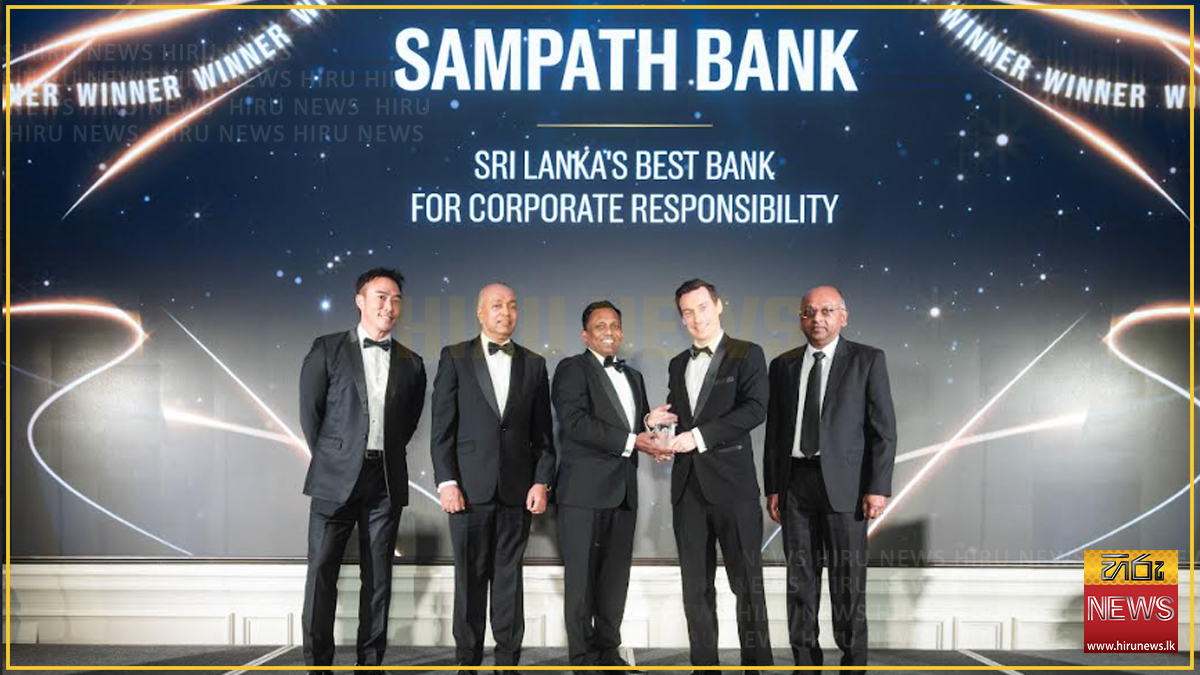
Sampath Bank, Lanka’s ‘Best Bank for Corporate Responsibility’ at Euromoney Awards
Local
14 September 2026
Sri Lanka, Thailand sign two labour pacts
Local
14 September 2026








