Share Post


Sri Lanka's consumer price inflation rate jumped to 4.2% year-on-year in December driven by rising food prices, official data showed on Monday, although it remains well below record high levels seen at the height of the country's financial crisis.
Food prices rose 1.6% in December after falling 2.2% in November on the year, the Department of Census and Statistics said in a statement.
Prices for non-food items, however, fell 6.3% in December from 7.1% year-on-year in November.
The National Consumer Price Index (NCPI) captures broader retail price inflation and is released with a lag of 21 days every month. It rose from 2.8% in November.
Sri Lanka racked up record high inflation that peaked at 70% in September 2022 after its economy was pummelled by the worst financial crisis in decades, triggered by a plunge in foreign exchange reserves.
Targets to improve public finances, which included raising power prices by 18% in October, have also hit inflation, analysts said.
The Central Bank of Sri Lanka (CBSL) is expected to leave its key policy rates unchanged on Tuesday to control inflation after cutting interest rates by 650 basis points since it started an easing cycle in June 2023 to help fuel an economic recovery from recession last year.
Inflation is expected to stabilise around the targeted level of 5% over the medium term, supported by appropriate policy measures and well-anchored inflation expectations. Nevertheless, a temporary uptick in inflation is likely in the near term mainly due to the proposed value added tax (VAT) increase and its possible second-round impact according to the Central Bank of Sri Lanka.
Food prices rose 1.6% in December after falling 2.2% in November on the year, the Department of Census and Statistics said in a statement.
Prices for non-food items, however, fell 6.3% in December from 7.1% year-on-year in November.
The National Consumer Price Index (NCPI) captures broader retail price inflation and is released with a lag of 21 days every month. It rose from 2.8% in November.
Sri Lanka racked up record high inflation that peaked at 70% in September 2022 after its economy was pummelled by the worst financial crisis in decades, triggered by a plunge in foreign exchange reserves.
Targets to improve public finances, which included raising power prices by 18% in October, have also hit inflation, analysts said.
The Central Bank of Sri Lanka (CBSL) is expected to leave its key policy rates unchanged on Tuesday to control inflation after cutting interest rates by 650 basis points since it started an easing cycle in June 2023 to help fuel an economic recovery from recession last year.
Inflation is expected to stabilise around the targeted level of 5% over the medium term, supported by appropriate policy measures and well-anchored inflation expectations. Nevertheless, a temporary uptick in inflation is likely in the near term mainly due to the proposed value added tax (VAT) increase and its possible second-round impact according to the Central Bank of Sri Lanka.
Latest News
Men's ODI World Cup 2027 set to run from October 4 to November 21
Local
11 June 2026

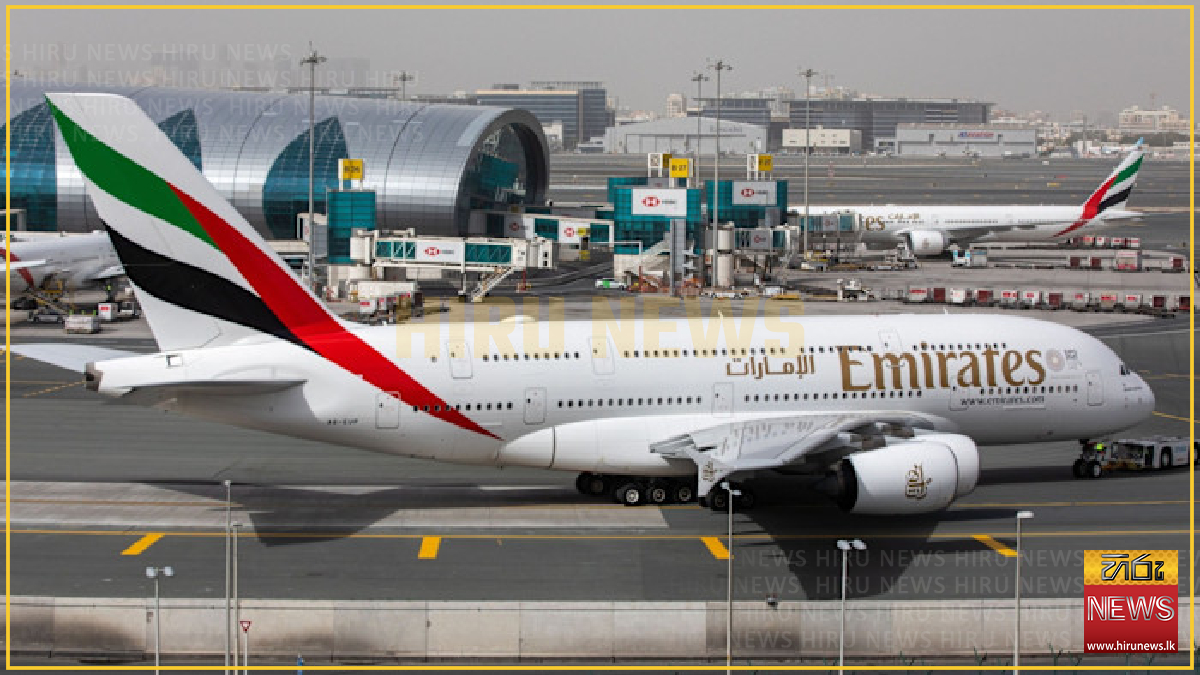
Emirates plans insurance to ensure passenger return amid conflict risks
Local
11 June 2026
Katy Perry calls Justin Trudeau the 'love of my life' as they make red carpet debut
Local
11 June 2026

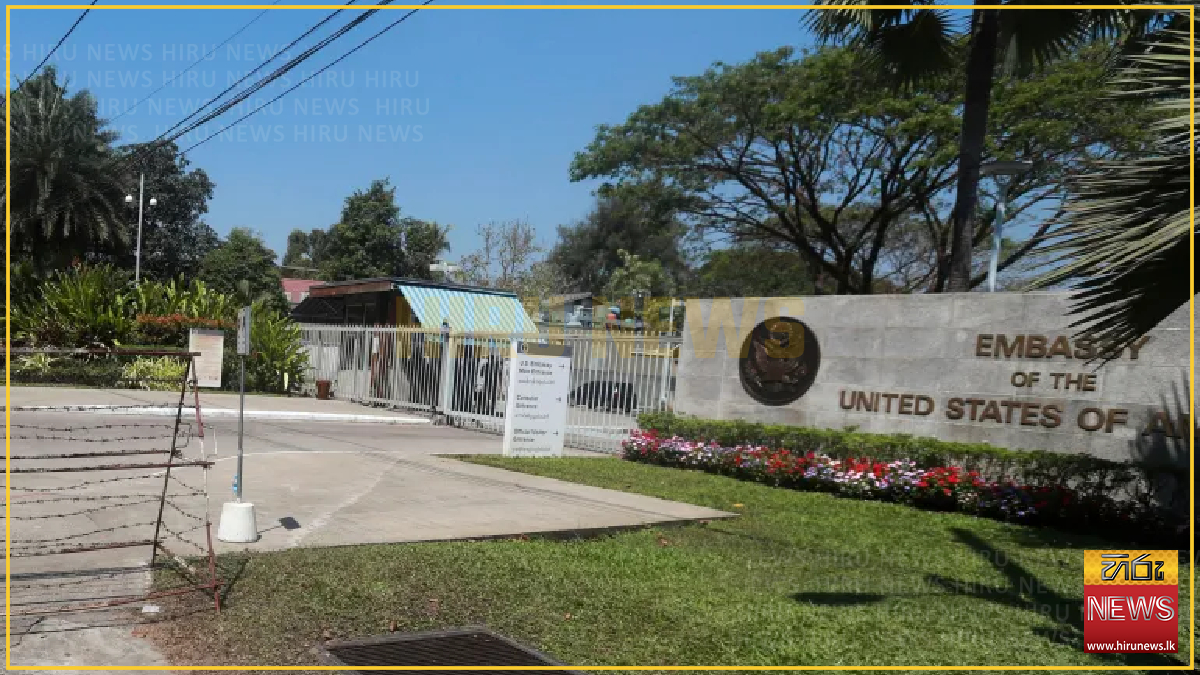
US diplomat found dead in Myanmar, Thai woman in custody
Local
11 June 2026
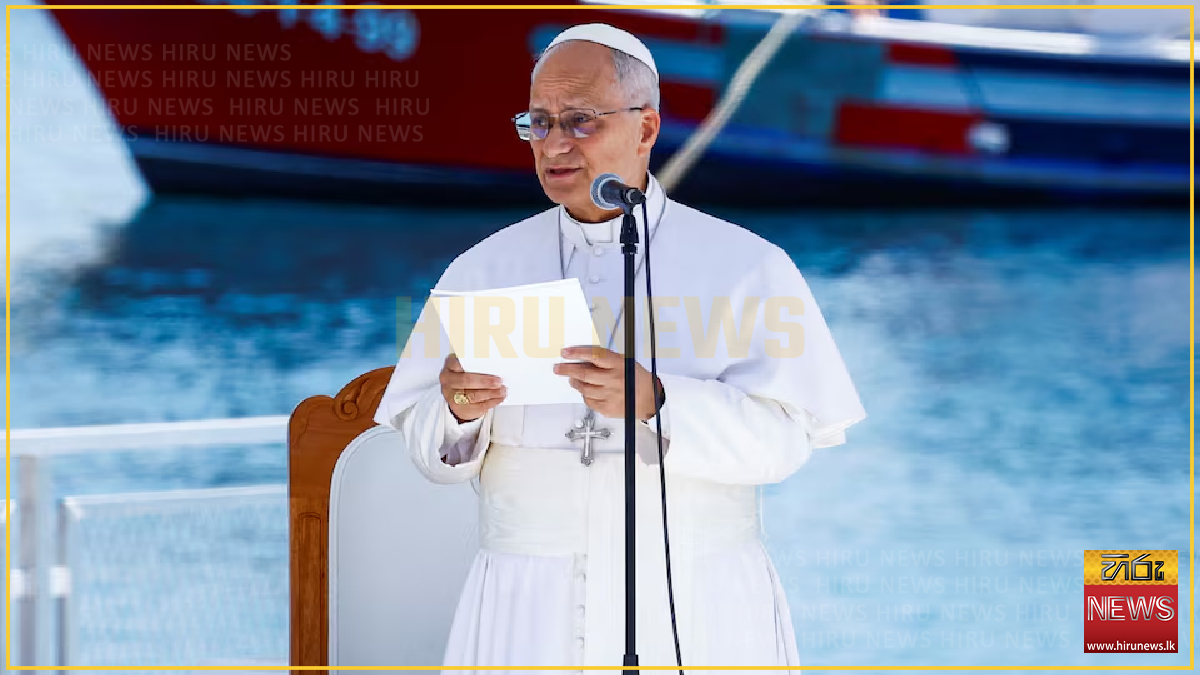
Pope Leo says history will condemn leaders who ignore migrant deaths
Local
11 June 2026
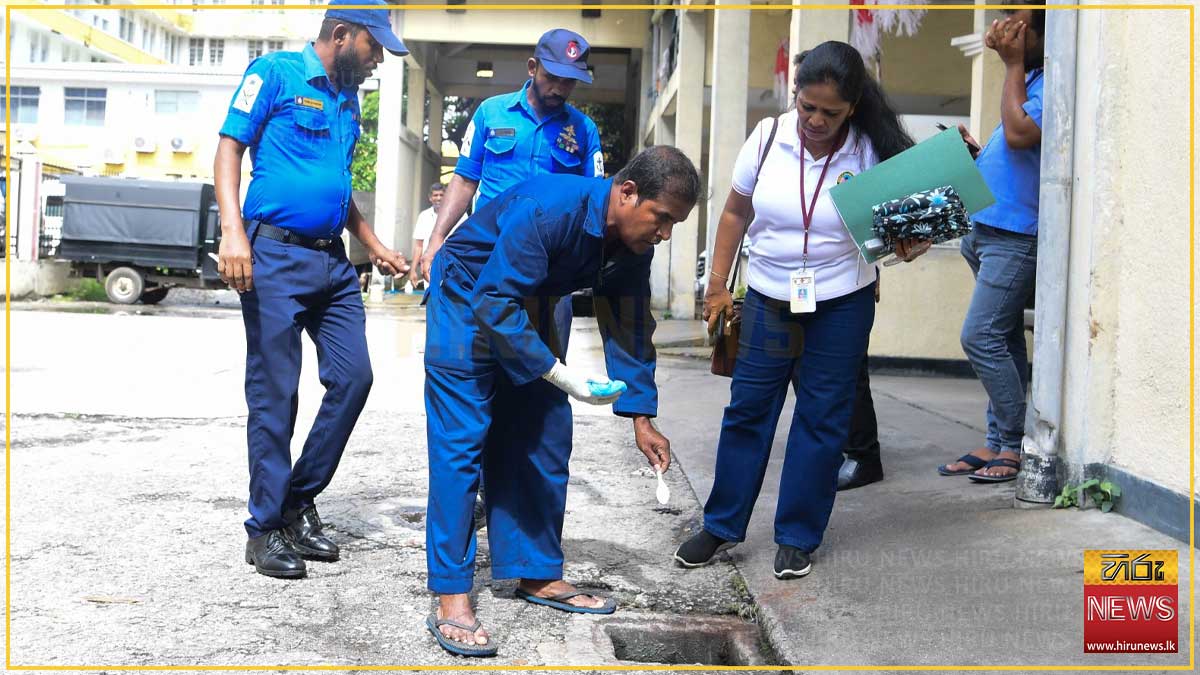
National dengue campaign covered 97,871 locations
Local
11 June 2026
'Hold night class if you want to teach,' says NPP MP Nipun Arachchi tells Opposition
Local
11 June 2026
India demands end to US attacks on ships after three sailors killed
Local
11 June 2026
UK defence minister Healey quits
Local
11 June 2026

MP Chanaka raises concern on alleged foreign remittance scam
Local
11 June 2026