



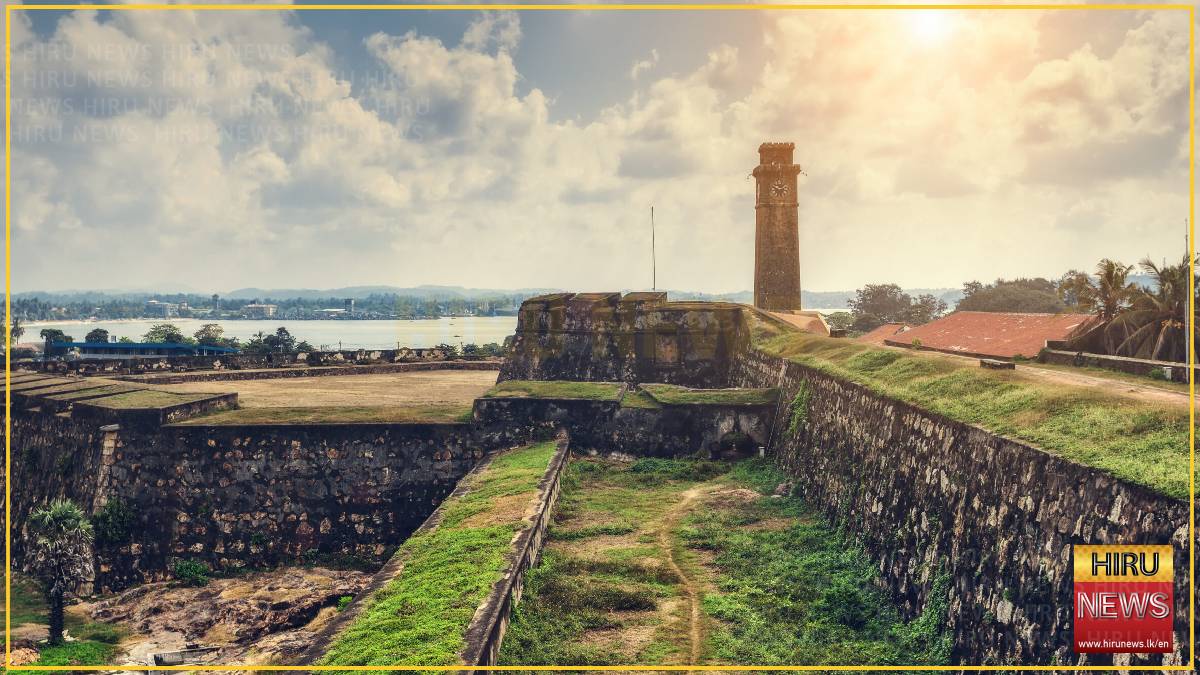


A remarkable piece of 17th-century engineering beneath Sri Lanka’s historic Galle Fort is receiving renewed attention as authorities begin cleaning and restoring its underground drainage network.
Built during the Dutch colonial era, the system is considered one of the fort’s most sophisticated examples of early urban engineering, combining sewage disposal and rainwater management with a design that made use of the natural movement of the sea.
The underground network was constructed with black stone and bricks in a strong arched structure, designed to withstand the demands of the coastal environment.
What makes the system particularly remarkable is the way it was engineered to regulate itself. According to officials, the drainage network was designed to be naturally flushed twice a day, using the movement of tides and waves to help clear wastewater and accumulated material.
The design is regarded as evidence of the advanced understanding of urban infrastructure possessed by Dutch engineers at the time.
Centuries of exposure and use, however, have taken their toll. Sand, debris and other accumulated material have gradually obstructed sections of the underground network, reducing the effectiveness of the historic system.
The Galle Municipal Council has now commenced work to clear these blockages and restore the drainage network as far as possible to its original condition.
The restoration is significant not only for improving the drainage infrastructure within the UNESCO-listed fort, but also for preserving a largely hidden component of its architectural and engineering heritage.
While visitors to Galle Fort are drawn to its ramparts, streets and colonial-era buildings, much of the ingenuity that enabled the historic settlement to function lies beneath their feet.
The ongoing restoration is therefore helping to safeguard an often-overlooked part of Galle Fort’s history — an underground system that continues to demonstrate how centuries-old engineering adapted intelligently to the rhythms of the sea.
Latest News
Central Bank of Sri Lanka absorbs US$ 579 million in August

Daily electricity demand drops while generation rises

Chinese national remanded over Colombo murder

Dengue death toll in Sri Lanka rises to 73 this year

CSE and Abu Dhabi exchange sign MoU to strengthen Sri Lanka-UAE capital market ties

Sri Lanka urged to close tax loopholes and capture offshore capital gains

Foreign outflows from CSE surge as investors await rating upgrade

Is the 'American Cheetah', really a Cheetah?

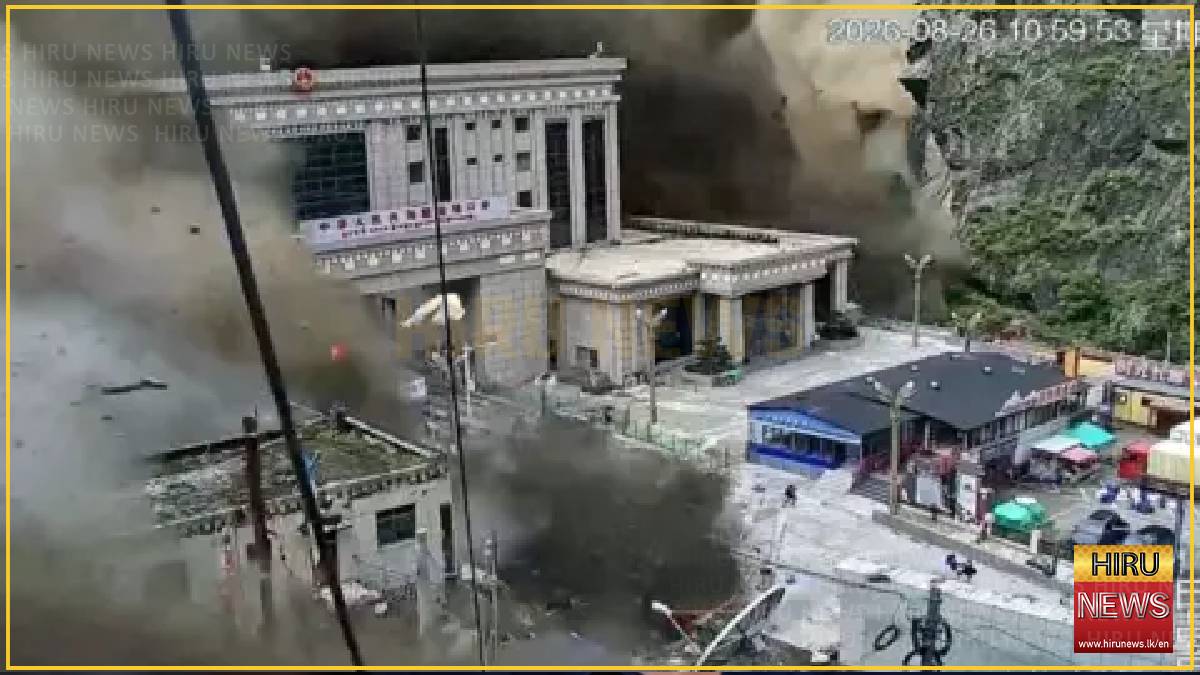
Floods erase key China-Nepal border crossing
Severe lightning warning issued for several areas