




Share Post


Five European nations aim to sign deals this year to send migrants without legal residency to countries outside the European Union, they said at a meeting hosted by Denmark on Friday.
Germany, Austria, Greece, Denmark and the Netherlands said they had agreed on concrete steps towards a deal with a non-European Union country on return facilities, the latest effort by European nations to reduce immigration.
The countries, known as the Group of Five, did not name the nations they expect to host return centres.
"We want to reach an agreement with third countries this year that will enable the establishment of return hubs," German Interior Minister Alexander Dobrindt told reporters at a press conference in Copenhagen.
The group, which has held a series of meetings this year, plans to reconvene in Munich, Germany, at the end of September.
The European Parliament in June approved an overhaul of migration policy aimed at speeding up deportations and allowing member states to set up centres abroad, in what critics say could weaken safeguards for asylum seekers.
HUMAN RIGHTS CONCERNS
The Council of Europe, a non-EU body that promotes human rights, democracy and the rule of law across the continent, in July said return hubs posed "considerable human rights risks", and several other groups have also criticised the plan.
Danish Refugee Council Secretary General Charlotte Slente said it would be better to implement the EU Pact on Migration and Asylum, which focuses on stricter border screening, faster asylum and return procedures, and expanded digital systems for managing asylum claims.
"Return hubs focus on a small number of returns, they will not stop people from taking even more dangerous routes, and they could violate basic human rights," Slente said.
Denmark expects to be ready to send migrants to the return hub by the end of 2027, Immigration and Integration Minister Morten Bodskov said.
"It's a new chance to have a life in a partner country," he said, adding that the five nations would be in dialogue with the UN body, the International Organization for Migration, and the UN Refugee Agency for their next steps.
A UNHCR spokesperson said the agency had not been approached with details of a proposal and could not comment on the arrangements being discussed.
-Reuters
Germany, Austria, Greece, Denmark and the Netherlands said they had agreed on concrete steps towards a deal with a non-European Union country on return facilities, the latest effort by European nations to reduce immigration.
The countries, known as the Group of Five, did not name the nations they expect to host return centres.
"We want to reach an agreement with third countries this year that will enable the establishment of return hubs," German Interior Minister Alexander Dobrindt told reporters at a press conference in Copenhagen.
The group, which has held a series of meetings this year, plans to reconvene in Munich, Germany, at the end of September.
The European Parliament in June approved an overhaul of migration policy aimed at speeding up deportations and allowing member states to set up centres abroad, in what critics say could weaken safeguards for asylum seekers.
HUMAN RIGHTS CONCERNS
The Council of Europe, a non-EU body that promotes human rights, democracy and the rule of law across the continent, in July said return hubs posed "considerable human rights risks", and several other groups have also criticised the plan.
Danish Refugee Council Secretary General Charlotte Slente said it would be better to implement the EU Pact on Migration and Asylum, which focuses on stricter border screening, faster asylum and return procedures, and expanded digital systems for managing asylum claims.
"Return hubs focus on a small number of returns, they will not stop people from taking even more dangerous routes, and they could violate basic human rights," Slente said.
Denmark expects to be ready to send migrants to the return hub by the end of 2027, Immigration and Integration Minister Morten Bodskov said.
"It's a new chance to have a life in a partner country," he said, adding that the five nations would be in dialogue with the UN body, the International Organization for Migration, and the UN Refugee Agency for their next steps.
A UNHCR spokesperson said the agency had not been approached with details of a proposal and could not comment on the arrangements being discussed.
-Reuters
Latest News
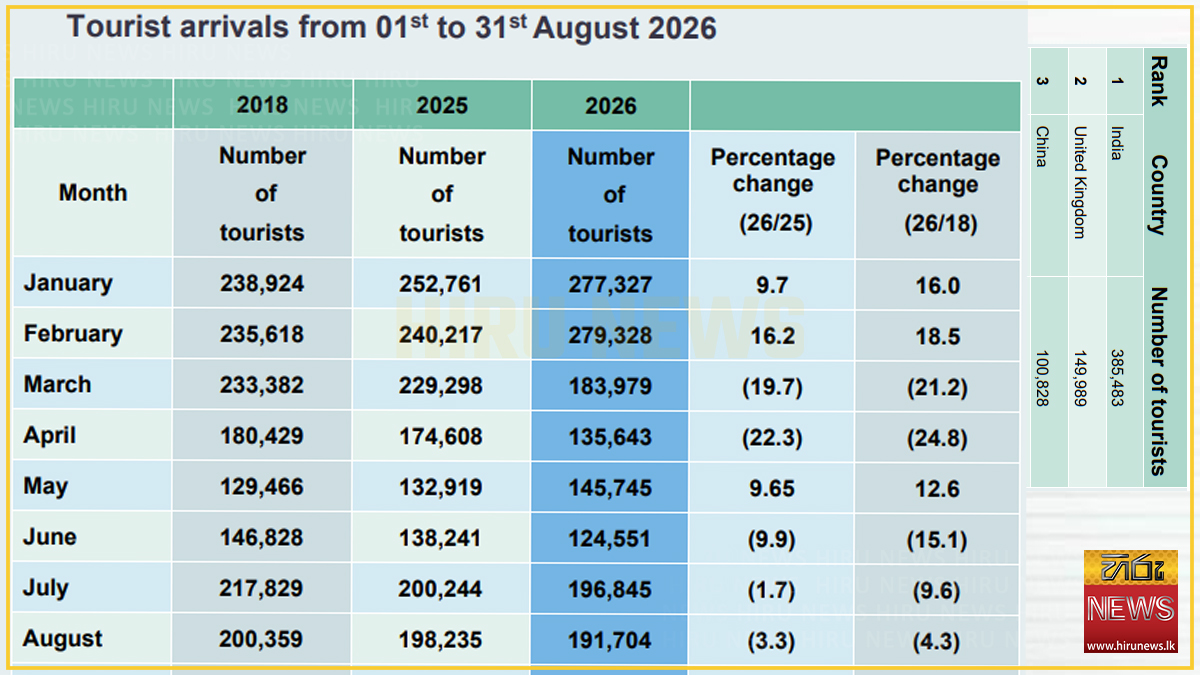
SL tourist arrivals decline for third consecutive month
Local
06 September 2026
President Anura Kumara Dissanayake assures national elections will be held as scheduled
Local
06 September 2026

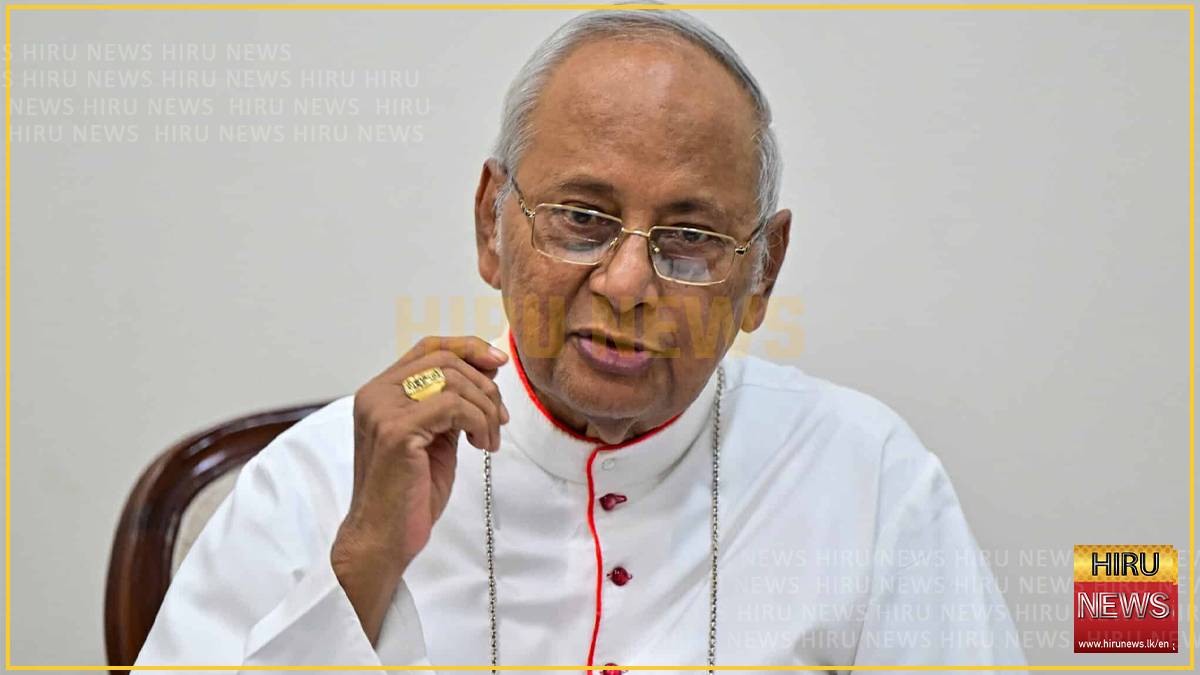
Cardinal urges fishing community to assist in fight against drug trafficking
Local
06 September 2026
Lebanese health ministry reports four people killed in Israeli strikes
Local
06 September 2026

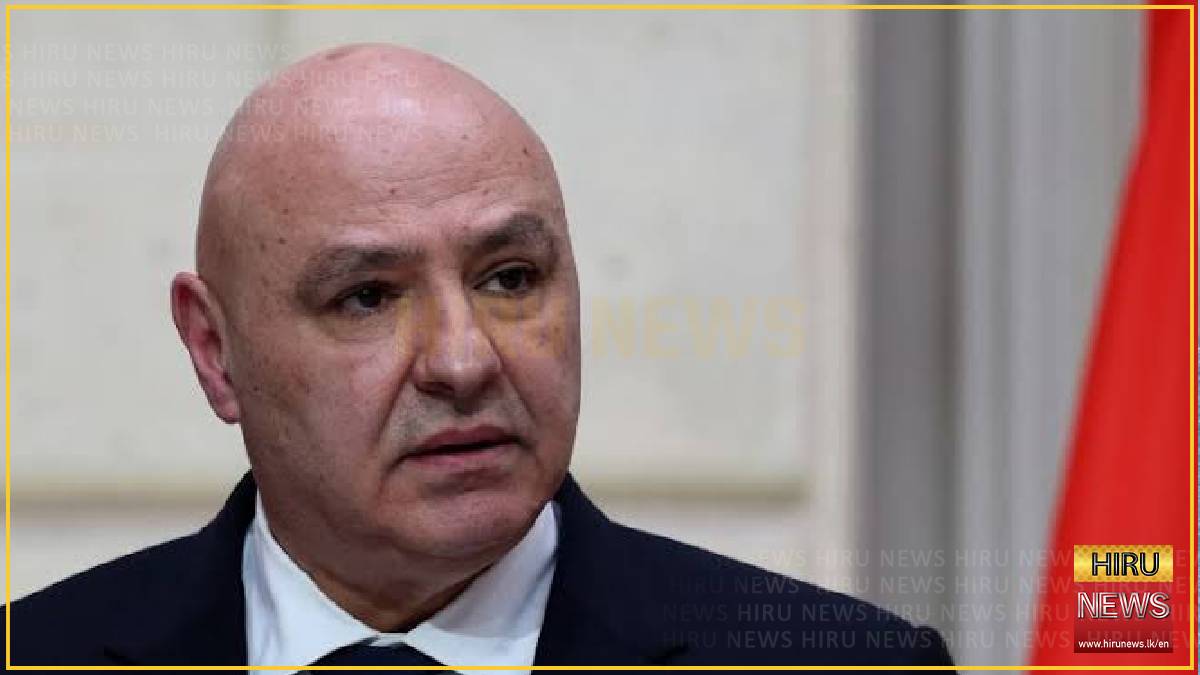
Lebanon president urges U.S. to help stop Israeli attacks
Local
06 September 2026
U.S. military dismisses Iran's claim of strike on U.S. ship in Strait: "A total lie"
Local
06 September 2026

Infantino will stand for re-election
Local
06 September 2026

Nepali woman found alive days after family began mourning rites
Local
06 September 2026

Dozens feared trapped in collapsed building in Delhi
Local
06 September 2026

Advocata warns RPC lease renegotiation could deter FDI
Local
06 September 2026